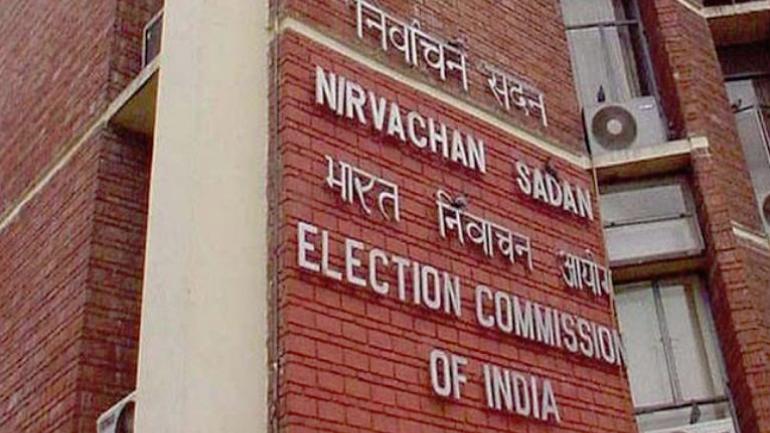
New Delhi, March 26, 2026: The Election Commission of India (ECI) has seized illegal cash, liquor, drugs, and other inducements worth over ₹408.82 crore in the run-up to the 2026 Assembly elections and bypolls, reflecting intensified enforcement to ensure free and fair polls.
The चुनाव schedule, announced on March 15, covers Assembly elections in Assam, Kerala, Puducherry, Tamil Nadu, and West Bengal, along with by-elections in six states. The Commission has directed all states and Union Territories to strictly enforce the Model Code of Conduct (MCC).
Massive Enforcement Deployment
To curb electoral malpractices, more than 5,173 flying squads have been deployed to respond to complaints within 100 minutes, while over 5,200 static surveillance teams (SSTs) are conducting surprise checks at key locations.
The crackdown follows a high-level review meeting involving Chief Secretaries, Chief Electoral Officers, DGPs, and enforcement agencies from poll-bound and neighboring states to ensure violence-free, inducement-free elections.
Breakdown of Seizures (Feb 26 – Mar 25, 2026)
- Cash: ₹17.44 crore
- Liquor: ₹37.68 crore (16.3 lakh litres)
- Drugs/Narcotics: ₹167.38 crore
- Precious metals: ₹23 crore
- Freebies and other items: ₹163.30 crore+
The seizures were tracked through the Electronic Seizure Management System (ESMS), activated on February 26 to enhance coordination among agencies.
High Complaint Resolution via cVIGIL
Between March 15 and March 25, a total of 70,944 complaints were received through the cVIGIL app. Of these, 70,831 have already been resolved, with 95.8% addressed within the stipulated 100-minute window.
The Commission has also operationalized a grievance redressal system, including the 1950 helpline, allowing citizens and political parties to report violations directly to election authorities.
Focus on Voter Convenience
While intensifying enforcement, the ECI has instructed officials to ensure that inspections and checks do not cause inconvenience or harassment to the general public. District-level grievance committees have also been set up to address such concerns.