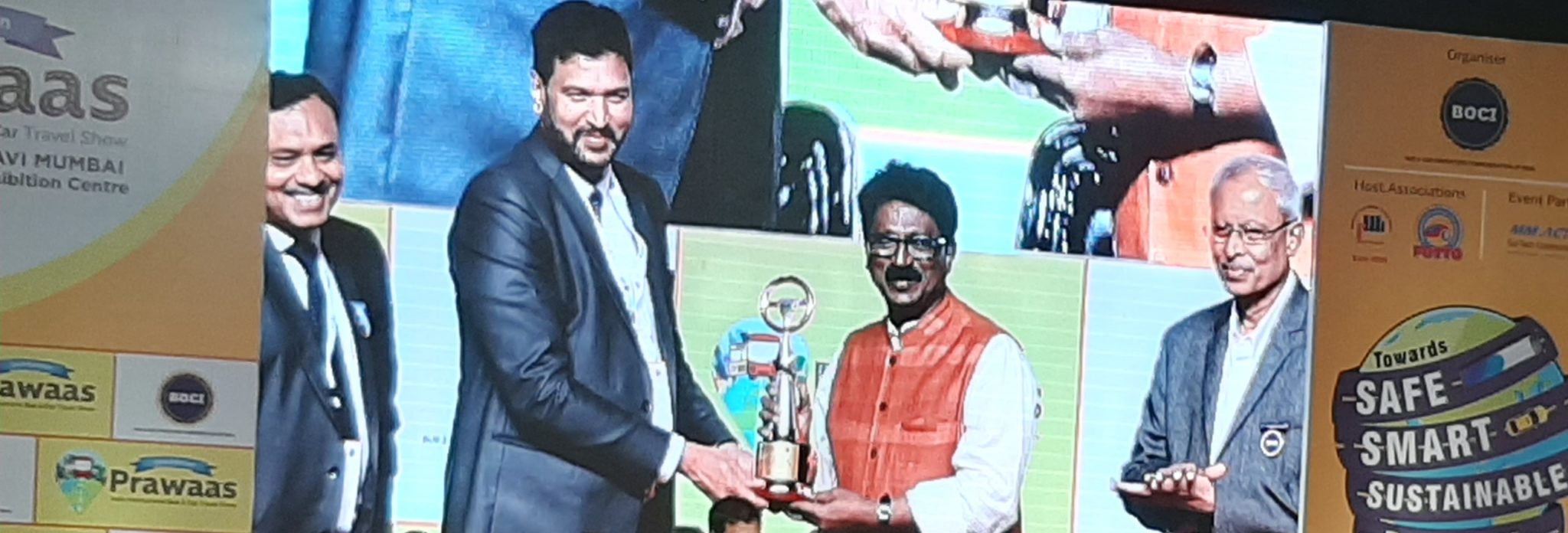
The second edition of the Prawaas mobility conference concluded at the CIDCO Convention and Exhibition Center, bringing together transport operators, policymakers, OEMs, and industry leaders to discuss the future of passenger mobility in India.
Nitin Gadkari highlighted government initiatives such as one nation-one permit, online vehicle registration, electric vehicle subsidies, and improved bus infrastructure to modernize public transport.
He emphasized the importance of electric vehicles and biofuels, noting that biofuel-powered buses in Nagpur have helped reduce pollution and increased farmers’ income.
Bus and Car Operators Confederation of India (BOCI) stated that India needs nearly 30 lakh additional buses to improve public transport and create employment opportunities.
Industry experts discussed challenges and opportunities in electric mobility, including charging infrastructure, investment costs, and local manufacturing, while agreeing that India’s mobility sector is rapidly transitioning toward EVs.
Arvind Sawant stressed the need for safe, smart, and sustainable transport and highlighted government incentives like reduced GST and subsidies for electric vehicles.
The conference also focused on environmental sustainability, renewable energy integration, and battery waste management as part of India’s future mobility strategy.