By Dr. Amit Kumar Singhal, Additional Director, Interventional Cardiology, Fortis Escorts Jaipur.
Regular exercise is essential for keeping the heart and lungs healthy, especially in young people who are increasingly embracing fitness as part of their daily lives. Broadly, exercises can be divided into stamina-building, muscle-building, and stretching exercises. Activities such as jogging, running, swimming, cycling, and outdoor sports fall under stamina-building exercises and are particularly important for cardiovascular health. Medical guidelines recommend around 150 minutes of moderate-intensity aerobic exercise per week, which can be achieved by exercising for about 30 minutes on alternate days.
When practiced in balance, these activities help strengthen the heart and improve overall endurance.
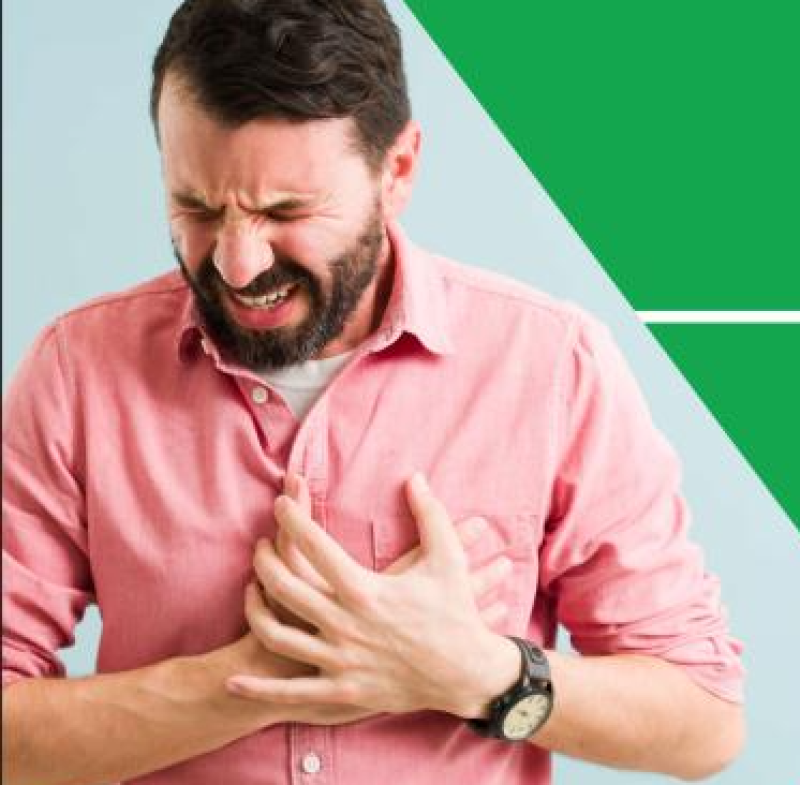
However, alongside the fitness boom, there has been growing concern about sudden cardiac arrests occurring in young individuals, particularly during gym workouts or sports activities. When a young person collapses suddenly, it is often assumed to be a heart attack. In reality, heart attacks are not always the primary cause in this age group. Several underlying cardiac conditions can trigger sudden collapse during intense physical exertion, even in people who otherwise appear fit and healthy.
One such group of conditions is known as channelopathies.
These disorders affect the electrical system of the heart, which controls the generation and transmission of heartbeats. During strenuous exercise, these electrical abnormalities can lead to dangerous heart rhythm disturbances, resulting in sudden cardiac arrest. Another important condition is hypertrophic obstructive cardiomyopathy (HOCM), in which the heart muscle becomes abnormally thick. This thickening restricts blood flow and can cause sudden cardiac death, especially during high-intensity sports or gym workouts.
Family history plays a crucial role in identifying individuals at risk. If there is a history of sudden collapse or unexplained death during exercise among close relatives, it should be treated as a warning sign. In such cases, other family members should undergo medical evaluation, even if they have no symptoms. Early assessment by a physician or cardiologist can help identify hidden cardiac conditions and prevent potentially fatal events.
At the same time, it is important to acknowledge that heart attacks are increasingly being seen at younger ages due to lifestyle factors such as stress, poor diet, smoking, and lack of physical activity. Therefore, cardiac risk assessment in youth should consider both traditional heart disease and inherited or electrical heart disorders. Young individuals who experience unusual breathlessness, dizziness, chest discomfort, or excessive fatigue during routine physical activity should not ignore these signs and should seek medical advice before starting or intensifying workouts.
Once medically cleared, exercising safely is just as important as exercising regularly. A structured workout plan should be created with the help of a trained instructor, focusing on gradual progression rather than sudden intensity. Warm-up exercises must never be skipped, as they prepare the heart and muscles for exertion and reduce the risk of injury and cardiac stress. Overenthusiasm, such as lifting heavier weights or pushing beyond one’s limits too early, can be harmful, even in young and seemingly healthy individuals.
Unregulated supplements and performance-enhancing substances add another layer of risk. Most young people can meet their protein requirements through a balanced diet that includes natural sources such as lentils, dairy products, eggs, and nuts. Steroids, in particular, are extremely dangerous and are strongly linked to heart rhythm disorders, heart muscle damage, and sudden cardiac death. Their use should be strictly avoided under all circumstances.
Physical fitness is vital for long-term health, but it must be pursued with awareness and caution. Pre-exercise cardiac screening, attention to family history, disciplined training routines, proper warm-ups, and avoidance of harmful substances can significantly reduce cardiac risks among youth. With the right approach, young individuals can build strength, stamina, and flexibility while protecting the most important muscle of all—the heart.