The Middle East conflict entered a more fragile phase after Iran threatened to disrupt shipping across the Persian Gulf, Sea of Oman and Red Sea, responding to what the U.S. military described as a “fully implemented” blockade of Iranian ports. Washington said American warships had already warned six vessels in the first 24 hours, forcing them to turn back, effectively halting maritime trade in and out of Iran. The sharp escalation comes even as diplomatic backchannels remain active, with in-person U.S.-Iran talks potentially resuming as early as this week, according to people familiar with the negotiations.
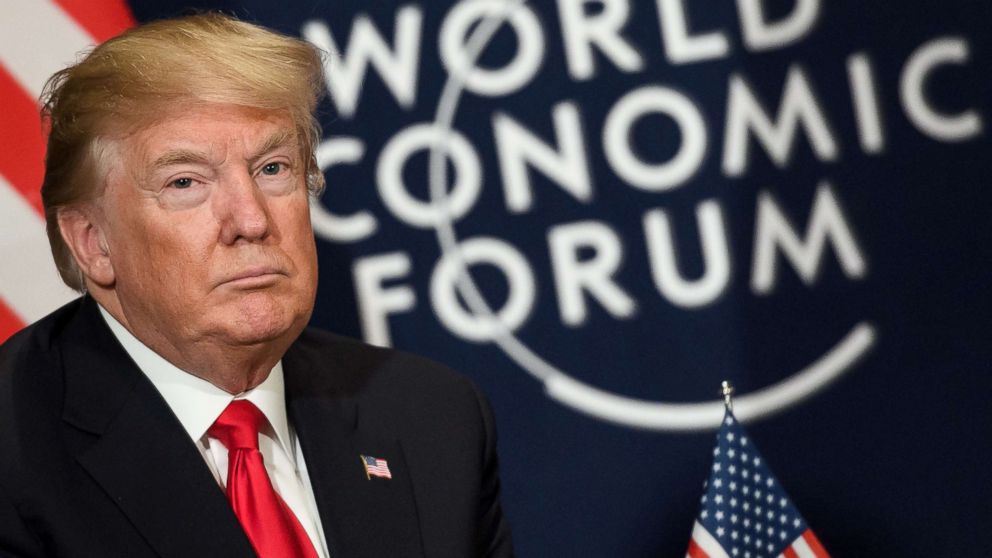
President Donald Trump said the war was “very close to over,” signaling optimism that a negotiated settlement may still emerge despite rising pressure on sea lanes and regional shipping routes. Tehran, however, warned that if the blockade continues and insecurity is created for Iranian oil tankers and commercial vessels, it could retaliate by targeting some of the world’s busiest maritime corridors. The threat is especially significant for global markets because any disruption in the Strait of Hormuz and Red Sea directly impacts crude oil flows, freight rates, insurance premiums and broader inflation expectations.
The geopolitical tension is now intersecting with multiple diplomatic fronts. Pakistan’s military chief arrived in Tehran as mediators attempt to organize a second round of talks after the previous U.S.-Iran meeting ended without a breakthrough. At the same time, Iran and the UAE held a rare phone call focused on reducing regional tensions, reflecting how Gulf nations are attempting to contain spillover risks after Tehran’s retaliatory strikes earlier this year. In Washington, Trump also said it was “very possible” that a peace agreement could be reached before King Charles’ U.S. visit later this month, reinforcing expectations that diplomacy may accelerate.
The broader regional picture remains volatile. Israeli Prime Minister Benjamin Netanyahu said military operations against Hezbollah are continuing, with pressure building around southern Lebanon and the city of Bint Jbeil. Civilian costs are also mounting, with reports of four paramedics killed in Lebanon during a relief mission, adding to a widening humanitarian toll. Meanwhile, Iran’s official death count since the U.S.-Israeli strikes began on Feb. 28 has crossed 3,300, while casualties continue to rise in Lebanon, Gulf states, Israel and among U.S. forces.