Kolkata, May 4, 2026: The results of the West Bengal Assembly Elections 2026 have begun to crystallize, with counting underway across 293 constituencies and outcomes declared for a majority of seats. The election, marked by intense political contestation and record voter turnout, is shaping up to be a decisive moment in the state’s political landscape.
The polling was conducted in two phases—April 23 (152 seats) and April 29 (142 seats)—recording a historic turnout of 92.47%, the highest since Independence. One constituency, Falta, will undergo repolling on May 21 following directives from the Election Commission, with counting scheduled for May 24.
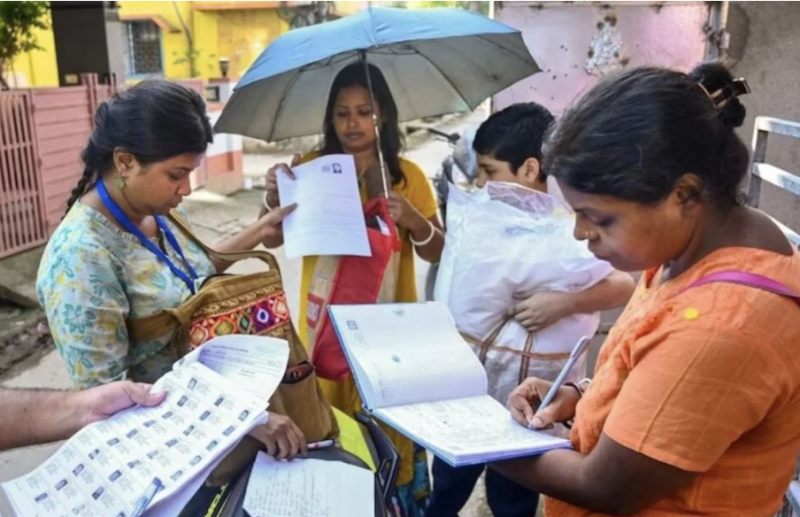
A key backdrop to this election was the Special Intensive Revision (SIR) exercise, which led to the removal of approximately 91 lakh names from electoral rolls, reducing the voter base to around 6.82 crore.
Key Highlights
- Strong performance recorded across multiple regions, with several high-profile constituencies witnessing closely contested battles.
- Notable winners include:
- Agnimitra Paul from Asansol Dakshin
- Sabina Yeasmin in her respective constituency
- Urban and semi-urban belts, including Kolkata and adjoining districts, saw significant shifts in voter preferences.
Regional Winners Snapshot
From North Bengal to South Bengal, several constituencies delivered decisive mandates:
- Mekliganj – Dadhiram Ray
- Darjeeling – Neeraj Zimba
- Kalimpong – Bharat Kumar Chhetri
- Raiganj – Koushik Chowdhury
- Krishnanagar Uttar – Tarak Nath Chatterjee
- Habra – Debdas Mondal
- Jorasanko – Vijay Ojha
- Shyampukur – Purnima Chakraborty
- Howrah Uttar – Umesh Rai
- Sreerampur – Bhaskar Bhattacharya
- Arambag – Bagi Hemanta
- Medinipur – Sankar Kumar Guchhait
- Purulia – Sudip Kumar Mukherjee
- Bankura – Niladri Sekhar Dana
- Bardhaman Dakshin – Moumita Biswas Misra
- Durgapur Purba – Chandra Sekhar Banerjee
- Asansol Dakshin – Agnimitra Paul
Electoral Context
The 2026 elections were among the most closely watched in recent years, with multiple parties attempting to consolidate their base:
- The ruling establishment aimed to retain power after multiple consecutive terms
- Opposition parties pushed for structural political change
- Smaller regional and independent candidates influenced margins in several seats
Security arrangements were extensive, with over 2.5 lakh personnel from central forces deployed to ensure smooth counting and law enforcement.
What Lies Ahead
With trends now converting into confirmed results, attention shifts to government formation and coalition arithmetic. The final outcome will not only determine leadership in West Bengal but also signal broader national political momentum heading into future electoral cycles.