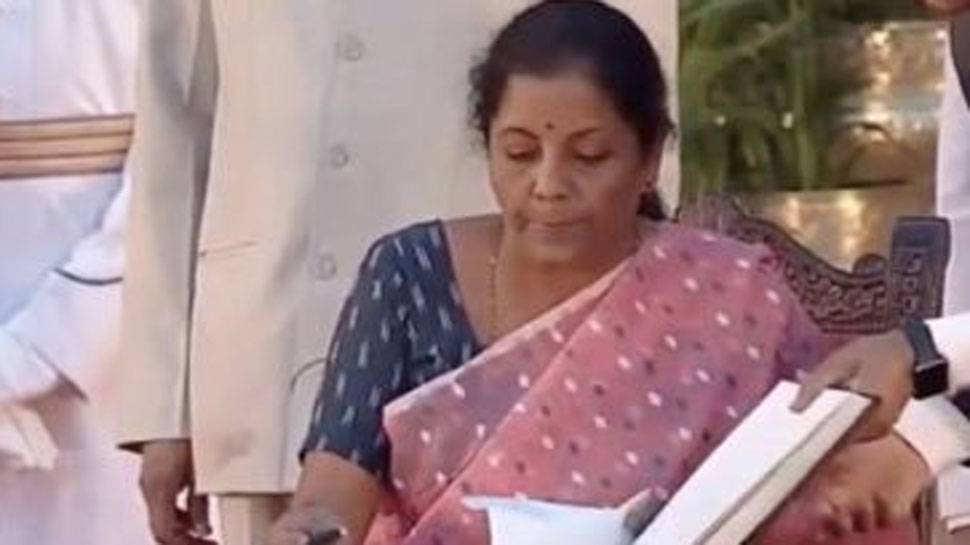
Jayesh Bavle, Chief Financial Officer, Bertelsmann India Investments, outlining expectations around fiscal continuity, domestic consumption, and the transition to the new Income Tax Act.
"One of the defining features of this government's budgets has been the consistency of its focus areas, and we expect Budget 2026 to build further on this approach. Against the backdrop of ongoing global geopolitical uncertainty, strengthening domestic production and consumption has become increasingly important. Currently prevailing positive macroeconomic factors, such as low inflation and controlled fiscal deficit, provide the government with a timely opportunity to roll out consumption boosting initiatives in this budget. From a tax perspective, we do not anticipate sweeping changes and welcome the move towards the new Income Tax Act. Given its simplified and abridged structure, the underlying rules will be critical, and we look forward to greater clarity in the rules to support effective implementation and compliance."
Indian pharmaceutical firms are shifting toward complex generics. In FY2025, over 100 ANDA filings targeted complex drugs, reflecting sharper product selection and higher development intensity. As complexity rises, the industry's binding constraint shifts from manufacturing scale to development capability. At this stage, talent, tools, and applied research determine outcomes.
The Budget should complement existing PLI schemes with capability-building incentives. A semiconductor-style approach can be adopted, targeting 50–100 institutions with shared development tools, PRIP-backed Centres of Excellence across NIPERs, and nationwide skilling of 40,000–60,000 professionals over the next decade in advanced formulations, biologics, and regulatory science. This would anchor access to complex-drug prototyping and advanced biomanufacturing training at scale. — Chandrachur Datta, Partner, Vector Consulting Group.
Spokesperson – Mr. Sparsh Khandelwal, Founder & CEO, Stylework
As India approaches the 2026 Union Budget, green coworking hubs are emerging as powerful launchpads for Global Capability Centers (GCCs) looking to scale globally from India. Eco-friendly flex spaces particularly in hubs like Delhi are already delivering 25–40% energy cost savings through solar integration, smart HVAC systems, and LEED-aligned infrastructure, offering immediate ROI while helping enterprises meet tightening global ESG mandates.
For GCCs, the value goes beyond sustainability. Plug-and-play coworking environments with hybrid R&D zones are reducing setup timelines by nearly 50% compared to traditional offices, allowing organizations to redirect capital towards innovation, talent, and technology rather than real estate overheads. This agility is increasingly critical for multinational companies from the US and Europe evaluating India as a long-term strategic base.
Looking ahead, the industry is hopeful that the upcoming Budget will further accelerate this momentum through targeted incentives such as enhanced tax benefits for sustainable workspace upgrades, GST rationalisation on flex and coworking leases, and policy support for ESG-compliant commercial infrastructure. Clarity on green financing and faster approvals for sustainable developments could further strengthen India’s appeal as a preferred GCC destination, reinforcing its position as a global hub for future-ready, sustainable enterprise growth.
"As the Union Budget approaches, it is evident that the financial behaviour of young, digitally confident Indians is evolving rapidly. The latest consumer insights indicate that the use of digital payments for offline purchases has increased from 48% in 2024 to 56% in 2025, suggesting that money management is taking a digital-first approach. At the same time, it is reported that 65% of young professionals want to have their first credit card application completed before starting their first job, with the main reason being that they want to manage their living expenses, earn rewards, and establish a good credit history early on. This trend not only indicates growing consumer participation but also points to the financial wellness aspect, which needs to be addressed more urgently. Decisions regarding credit, tax, savings, and insurance have been made by the youngest ever, oftentimes not well-informed. Budget 2026 can be an important factor by making compliance easier, promoting responsible credit use, and providing tax benefits for long-term savings, thereby allowing people to adopt good financial practices right from the start of their earning journey. If the right policies are in place, India will be able to turn the rising digital adoption into deeper financial education, greater inclusion, and long-term economic stability." — Kumar Binit, CEO, airpay money.
Neha Sinha, Dementia Specialist and CEO & co-founder of Epoch Elder Care-
"India is rapidly transitioning from a demographic dividend to a demographic responsibility. With over 168 million senior citizens today—a number projected to nearly double by 2050—we must urgently reimagine how we finance and deliver eldercare. Ageing is increasingly accompanied by complex non-communicable diseases, dementia, and mental health challenges, yet public programmes like NPHCE and NAPSrC remain underfunded and unevenly implemented. Families are forced to bear rising out-of-pocket costs for specialised geriatric and dementia care, often without insurance or adequate tax relief. The upcoming budget presents an opportunity to strengthen elderly healthcare through enhanced funding, GST rationalisation for senior care services, expanded tax deductions, workforce development, and long-term care insurance frameworks. These reforms are essential to build a sustainable, dignified, and accessible eldercare ecosystem for India's ageing population."
Ravi Goel, CEO of RapidShyp-
"As the Union Budget 2026–27 approaches, India's logistics sector is at a clear inflection point, having converted policy intent into calculable progress in the past year. Initiatives such as the ₹25,000 crore allocation for Maritime Development Fund and PM GatiShakti-linked investments in multimodal connectivity are compressing transit timelines and decreasing age-old inefficiencies .
Alongside physical infrastructure, the past year has led to a shift towards digital-first logistics operations. Platforms such as BharatTradeNet and ULIP are reducing documentation friction, improving end-to-end visibility and enabling faster customs clearance and trade finance workflows. When combined with MSME-focused credit expansion and export facilitation measures, these reforms are driving greater participation from logistics players and supporting India's ambition to lower logistics costs .
That said, the next phase of logistics transformation will need sharper execution and more targeted policy intervention, particularly beyond metropolitan centres. More investment in first- and last-mile connectivity, sustainable, technology-led warehousing and fulfilment, along with a clear focus on skilling and talent development, will be key .
A Budget that aligns infrastructure, physical networks and human capital will equip the sector to deliver faster and smarter outcomes, while supporting the country's long-term economic growth ."
Adnaan Khan, CEO and Founder of K9 School and K9 Healers-
"India's Union Budget is more than a fiscal document it reflects what the state chooses to prevent versus what it repeatedly pays for. Dog bite incidents expose this imbalance clearly. With over 3.5 million reported cases annually—likely undercounted dog bites represent one of India's most persistent public health and safety costs. Direct medical spending on rabies prophylaxis, emergency wound care, and follow-up treatment averages ₹2,000–₹3,000 per case, translating to nearly ₹8,750 crore annually. Indirect costs such as lost workdays, caregiver burden, school absenteeism, and psychological trauma add another 30–50%, pushing the total economic burden to ₹11,000–₹12,000 crore each year. Despite this, public expenditure remains largely reactive, focused on hospital care rather than prevention. A prevention-first budgetary allocation of ₹1,000–₹1,200 crore less than 10% of current losses towards education, sterilisation, breeding oversight, and early behaviour intervention could reduce incidents by 20–30%, delivering significant healthcare savings and long-term fiscal returns."
Abdulkader Bengali, MD, Hansgrohe India-
"As India prepares for Budget 2026‑27, the macroeconomic outlook remains resilient, with strong growth fundamentals and rising aspirations across Tier 2 and Tier 3 cities. A growing middle class is increasingly seeking luxury residential and hospitality experiences- spaces that are not only premium and well‑designed but also efficient and sustainable, reflecting evolving lifestyles and global exposure.
This shift calls for policy frameworks that strengthen infrastructure, urban planning, and housing ecosystems, ensuring access to high‑quality living while maintaining affordability and long‑term value. Encouraging responsible construction practices, skill development, and quality‑led execution can elevate standards across both luxury residential and hospitality segments.
With consistent policy support, a sharper focus on durability, sustainability, and user experience will enhance India's living environments and hospitality offerings, driving inclusive growth while reinforcing the country's building ecosystem for the future."
Quote from Rohit N Jagasia, Founder & CEO, Revenant Esports:
The esports industry is looking at a positive budget that would bring in strategic realignment. It is high time that the government sees the esports industry from a different perspective and not just an extension of the entertainment industry. The industry expects structural recognition and long term enablement from the government. There should be a continuity in the policy on skill-based gaming with more clarity on tax and compliance framework. As per estimates, the esports industry in India was valued at around $200 million in 2024 and is expected to touch $1 billion by 2033. The scope is huge and emphasis on building digital infrastructure, talent development, and export-led growth will be the right way forward with this Union Budget.
Mr. Sukhbir Singh Chimni, Founder of Ceuticoz – Science-Backed Cosmeceuticals-
"India's cosmeceutical retail sector is undergoing a structural evolution, and it is mainly the consumers who are making it happen with their choice of skin care products that are dermatologist-recommended and clinically validated. The industry anticipates a stronger policy recognition of cosmeceuticals as an adjacent category to healthcare and not merely a beauty or lifestyle concern when the Union Budget 2026 comes around."
Dr. Harshad Mehta, Non-Executive Chairman - RIR Power Electronics Ltd-As India looks ahead to the Union Budget 2026 - 27, RIR Power Electronics Limited believes that this is an important opportunity to further strengthen the country's industrial and manufacturing capabilities through the development of a robust and globally competitive semiconductor ecosystem. From an industry perspective, a balanced approach in the Budget would be a welcome one that supports the acceleration of domestic semiconductor manufacturing while providing appropriate protection to early-stage investments.
The introduction of phased, time-bound safeguard or anti-dumping measures on select semiconductor products under domestic incentive programmes, aligned with clearly defined production milestones, could help Indian manufacturers scale sustainably while maintaining global competitiveness. Moreover, enhanced support for semiconductor R&D, workforce skilling, access to long-tenor and affordable financing, along with regulatory clarity and single-window clearances, would serve as important enablers. With supportive and consistent policy measures, India has the opportunity to build a sustainable, high-value semiconductor manufacturing ecosystem that contributes meaningfully to industrial growth and national resilience.
"India's textile garments sector is grappling with intense global price competition and volatile export orders. The immediate challenge lies in retaining existing customers and order volumes while absorbing margin pressures arising from tariff-related discounts in the US market. As the industry looks ahead to Budget 2026-2027, it seeks a predictable and long-term export framework, anchored in expanded trade agreements with key markets, targeted tariff relief, and clear, stable labour policies. Such measures are critical to enhancing workforce productivity, improving margins, de-risking fresh capacity expansion, and encouraging large-scale, job-intensive investments."
— P Senthilkumar, Senior Partner, Vector Consulting Group.
airpay's Founder, Mr. Kunal Jhunjhunwala, can offer ground-level insights into what Budget 2026 needs to address for India's digital payments and MSME ecosystem.
"As India enters Budget 2026, fintech and digital payments must move beyond prioritizing scale to focus on resilience, compliance, and the depth of adoption. The policies in place will not only determine the growth trajectory of the next phase but also influence the digital infrastructures that will be built under regulation, as well as the compliance facilitation and interoperability among the various payment channels that will be established. While MSMEs will be able to utilize support from policies on onboarding, payment-linking to credit, and last-mile digitization to speed up formalization and reap the consequent productivity benefits in these sectors, more regulatory clarity on cross-border payments will be crucial in making Indian firms engaged in international trade more. The government should also push for the adoption of cutting-edge technologies, such as AI-based risk management and fraud detection, to build trust, resilience, and productivity across India's financial ecosystem, thereby securing sustainable growth in the upcoming phase of the digital economy."
Pre-budget 2026 quote from Shalimar Paints
Spokesperson: Kuldip Raina, Managing Director & CEO, Shalimar Paints
Sustained government support for housing, infrastructure and manufacturing continues to shape the growth trajectory of the paints industry. The Union Budget 2026 is expected to further strengthen this momentum by supporting real estate growth in Tier II and Tier III cities, which will drive the consumption of interior and exterior paints. Increased CAPEX on infrastructure will directly increase the demand for industrial and protective coatings. Public infrastructure spending on roads, bridges, railways, industries and airports will require specialized water-based and solvent-based coatings such as road marking paints, heat protectant coatings and anti-rust coatings.
From an industry standpoint and under the Make in India push, rationalized taxes and customs duties are expected to enable paint manufacturers to better innovate products, increase expenditure on R&D, invest higher capital in manufacturing and reduce cost of production. Rationalized customs duties on raw materials such as titanium dioxide, resins, pigments and additives will reduce input costs and improve value for money for end-users. If the budget continues with favourable measures that support household demand through reduced GST and tax relief, the industry can see a reduced repainting cycle and higher consumption of premium paints. With a lower tax burden on income, higher disposable incomes among individuals can increase spending on quality of life, directly impacting manufacturing demand and premiumization.
In a highly competitive market, the real impact will depend on how effectively companies differentiate themselves through faster innovation, deeper investment in manufacturing and R&D, and the ability to deliver consistent value for money at scale. With government target spending in rural India, there is strong potential for the upgradation of raw, unpainted and limewashed walls to durable interior and exterior applications using economic emulsion and distemper coatings. Translating this potential into outcomes will require policymakers to enable access and the industry to work together to build trust, distribution and relevance on the ground, ensuring measurable transformation across rural India and more inclusive growth for the paints industry and the economy.
Mr. Madhav Sheth, CEO, Ai+ Smartphone and Founder, NxtQuantum Shift Technologies-
"India's consumer tech landscape is on the brink of transformation, moving beyond just assembly lines. With the rise of AI-integrated devices that are increasingly sophisticated and costly, it's imperative that the 2027 Union Budget focuses on more than just scaling up. We need to incentivize deep value creation, pushing for substantial support in manufacturing essential components right here in India such as think camera modules, batteries, PCBs, enclosures, chargers and wearables.
Moreover, backing research, development, and the creation of intellectual property in system design and software-driven innovation is crucial.
Building a robust supply chain isn't merely a choice anymore; it's a necessity for our strategic future. This is the quickest path to lessen our reliance on China as the go-to hub for manufacturing and sourcing. By fortifying our position in this area, we ensure that India remains competitive on a global scale across all sectors."
Mr. Prakash Patel – MD & Chairman – Bhumi World (Real Estate)
“As we approach the Union Budget, Bhumi World remains confident that sustained government focus on infrastructure-led growth will be a decisive catalyst for the commercial real estate sector. Enhanced road networks, seamless urban connectivity, and improved transport corridors are critical to unlocking the full potential of emerging business districts and integrated developments. Policy continuity, coupled with investments that enable ease of travel and access, will not only strengthen office and retail demand but also reinforce the long-term attractiveness of mixed-use destinations. A forward-looking, pro-infrastructure budget will be instrumental in driving occupier confidence and accelerating India’s next phase of urban and economic expansion,” said Prakash Patel, MD & Chairman, Bhumi World
Mr. Neil Sonawala – Chairman, Zen Diamond (Retail)-
“As India’s gems and jewellery sector continues to grow at a healthy 8–10% annually, the upcoming Union Budget will play a crucial role in sustaining this momentum. We are optimistic about measures such as rationalization of import duties on gold and diamonds, incentives to boost organised retail, and policies that strengthen exports and ease of doing business. With rising consumer preference for contemporary, lightweight diamond jewellery and increasing design-led demand, a forward-looking policy framework will further enhance industry competitiveness. A budget that supports digital enablement, manufacturing and consumer confidence will be instrumental in unlocking the next phase of growth for the jewellery sector,” said Neil Sonawala, Chairman, Zen Diamond.