

India’s 2026 Assembly elections opened with steady voter participation across two politically critical states—Tamil Nadu and West Bengal—signaling a strong start to what is shaping up to be a high-stakes democratic contest.
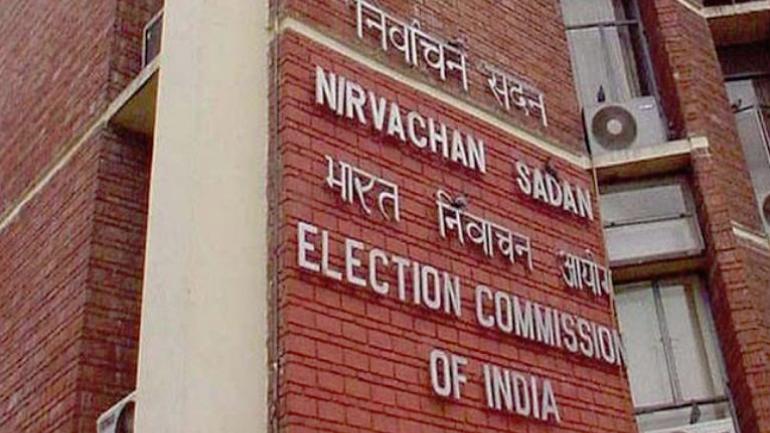
By 10 AM, Tamil Nadu recorded a voter turnout of 17.69% across its 234 constituencies, while West Bengal, voting in Phase 1 across 152 seats, slightly outpaced it with 18.78%. Polling began at 7 AM under tight security and logistical oversight by the Election Commission of India, which has emphasized a free, fair, and peaceful electoral process.
High Engagement, High Stakes
Tamil Nadu is witnessing a single-phase election covering over 5.7 crore voters—making it one of the largest state-wide voting exercises in the country. Meanwhile, West Bengal’s multi-phase election begins with a crucial first round across 16 districts, with the second phase scheduled later this month.
Early visuals from polling booths suggest robust voter enthusiasm. Long queues were reported in several districts, while unusual moments—like an elephant wandering near a polling station in Jhargram—added a distinct local flavor to the day.
Political Heavyweights Lead by Example
Top political leaders and public figures cast their votes early, reinforcing participation messaging:
- Chief Minister M. K. Stalin voted in Chennai alongside family members, urging citizens to fulfill their democratic responsibility.
- BJP leader K. Annamalai cast his vote in Coimbatore.
- Actor-turned-politician Kamal Haasan also voted in Chennai.
- In Bengal, BJP leader Suvendu Adhikari framed the election as a turning point, calling for “parivartan” (change).
National leaders including Narendra Modi and Amit Shah appealed to voters to participate in large numbers, underlining the election’s long-term impact on governance and development.
Security and Electoral Integrity in Focus
Given the history of electoral sensitivity, particularly in West Bengal, central armed police forces have been deployed extensively in vulnerable constituencies. The Election Commission has enforced the Model Code of Conduct strictly, with real-time monitoring to prevent disruptions, intimidation, or malpractice.
.jpg)
