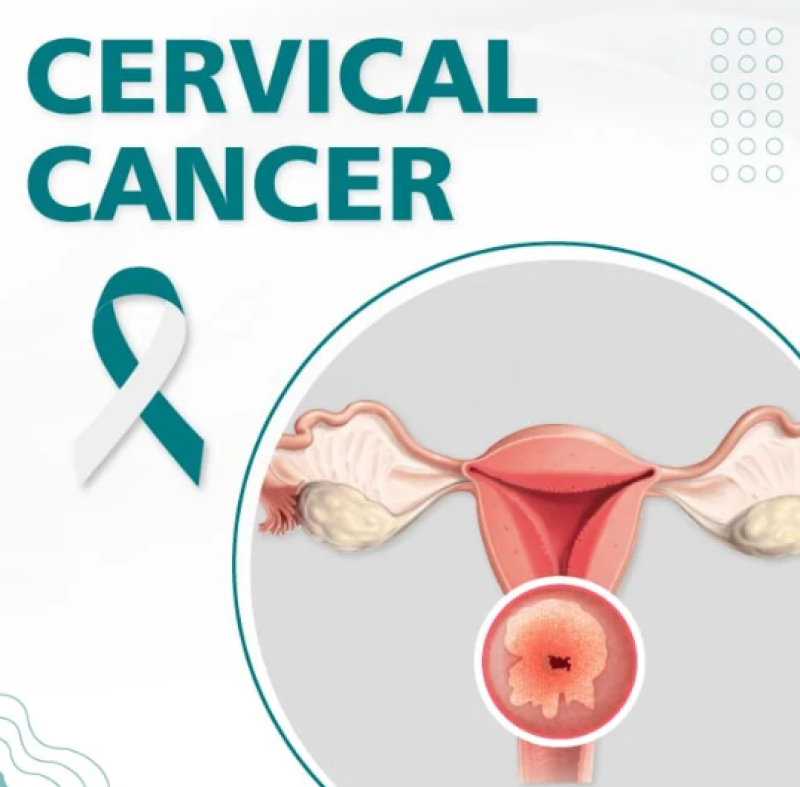
Cervical cancer is one of the most preventable cancers, yet it continues to affect thousands of women in India every year. The tragedy is not just in the numbers but in the fact that most cases can be avoided with awareness, timely screening and early treatment. It develops slowly and often begins with persistent infection of the cervix by the Human Papillomavirus (HPV), a very common virus transmitted through sexual contact. In most women, HPV infections often clear on their own. However, when the infection persists, it can quietly cause abnormal cell changes that may turn cancerous over time if not detected early.
Dr Smita Vaid, Additional Director, Obstetrics and Gynaecology, Cervical Cancer, Fortis Escorts Hospital, Jaipur said “India accounts for nearly one-fifth of the global burden of cervical cancer, yet regular screening can reduce the risk by up to 70%. More than 95% of cervical cancers are linked to HPV infection, and the disease often shows no symptoms in its early stages. This is why screening is not optional, it is lifesaving. When detected early, cervical cancer is highly treatable with the survival rates exceeding 90%.”
Causes and risk factors of cervical cancer:
• Persistent HPV infection, especially high-risk strains
• Early onset of sexual activity or multiple sexual partners
• Weak immunity due to illness or long-term medication
• Smoking, which damages cervical cells and weakens immunity
• Long gaps between health check-ups or no screening history
• Lack of HPV vaccination
Common signs and symptoms:
• Abnormal vaginal bleeding, including bleeding between periods, after intercourse or post-menopause
• Unusual or foul-smelling vaginal discharge
• Pain during sexual intercourse and persistent pelvic or lower back pain
• Early cervical cancer may show no symptoms, which is why many women feel well until the disease progresses
• These symptoms are often mistaken for infections or hormonal issues and should never be ignored
Why early detection matters:
• Cervical cancer is one of the few cancers where pre-cancerous changes can be detected years before cancer develops
• Pap smear and HPV tests help identify abnormal cervical cells and high-risk virus types early
• Regular screening significantly reduces cervical cancer risk and deaths, even in women without symptoms
Protecting cervical health:
• Begin cervical screening from the age of 21 or as advised by a doctor
• Follow age-appropriate Pap smear and HPV screening schedules
• Do not ignore abnormal bleeding, discharge or pelvic pain
• HPV vaccination for adolescent girls and young women, after consulting your doctor
• Avoid smoking and maintain good immunity
• Encourage open conversations about women’s health and seek medical advice early
Cervical Health Awareness Month is not just about information, it is about action. A simple test, done on time, can prevent a life-altering diagnosis. Paying attention to cervical health today can protect years of health, wellbeing, and peace of mind tomorrow.