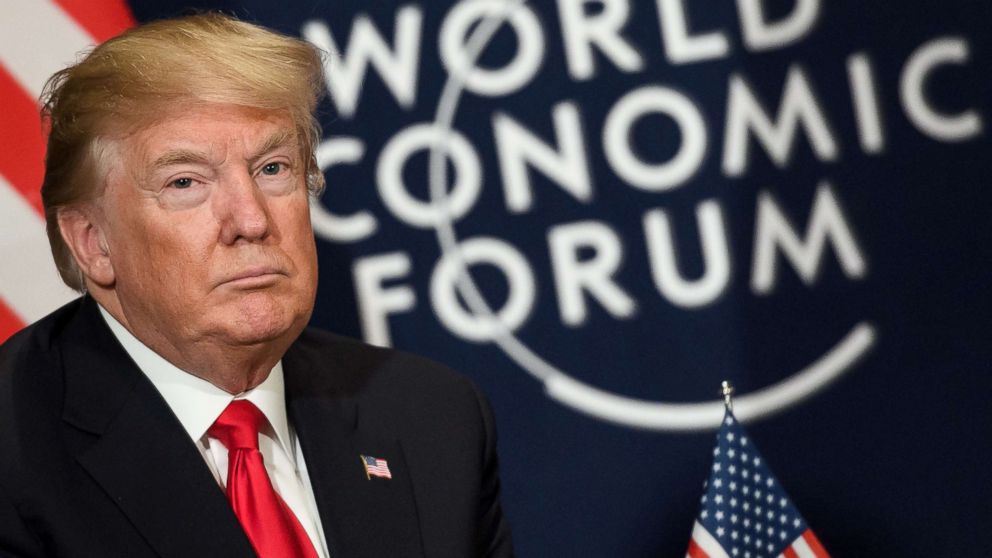
1. US-Iran Peace Overtures Spark 1,400-Point Sensex Surge
The Indian equity markets snapped a six-week losing streak as the BSE Sensex soared 1.58%, fueled by signals of renewed negotiations between Washington and Tehran. This recovery indicates a significant easing of the "geopolitical risk premium" that has suppressed domestic sentiment, providing a critical window of liquidity for IPO-bound firms previously sidelined by the West Asia conflict.
2. Google Deploys ‘Personal Intelligence’ in India to Lead AI Consumer Race
Google has officially launched its integrated Gemini "Personal Intelligence" feature in India, allowing the AI to synthesize data across Gmail, Photos, and Search for localized users. The move underscores India’s position as a primary battleground for generative AI, signaling a shift toward deeply integrated, data-driven personal ecosystems that challenge traditional app-based productivity.
3. IMF Upgrades India’s FY27 Growth Forecast to 6.5% Despite Global Headwinds
Citing a strategic reduction in US tariffs on Indian goods—from 50% to 10%—the IMF has raised its GDP outlook for India even as it slashes broader West Asia and North Africa forecasts. This upgrade highlights India’s resilient domestic demand and its emerging status as a preferred "China-plus-one" manufacturing hub for European and Danish firms seeking supply chain stability.
4. RBI Repo Rate Pause Signals Cautious Pivot Toward Growth Stabilization
The Reserve Bank of India has maintained the status quo on interest rates, forecasting a moderate GDP slowdown to 6.9% for the next fiscal year. This decision underscores a shift from aggressive inflation-targeting to a "wait-and-watch" stance, as the central bank weighs the impact of below-normal monsoon warnings against the need to support a tapering "India Inc" profit cycle.
5. Domestic Fuel Security Tightens via Aggressive Export Duty Hikes
The Indian government has more than doubled export duties on diesel and jet fuel to ensure domestic availability amid ongoing Strait of Hormuz disruptions. This policy shift indicates a prioritization of national energy security over export revenue, raising concerns for private refiners while shielding the domestic transport sector from global crude price shocks.