

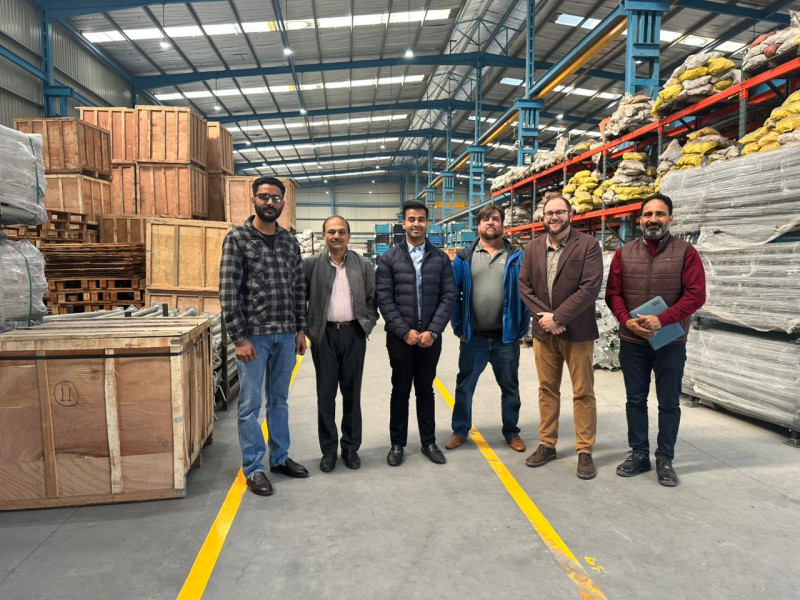
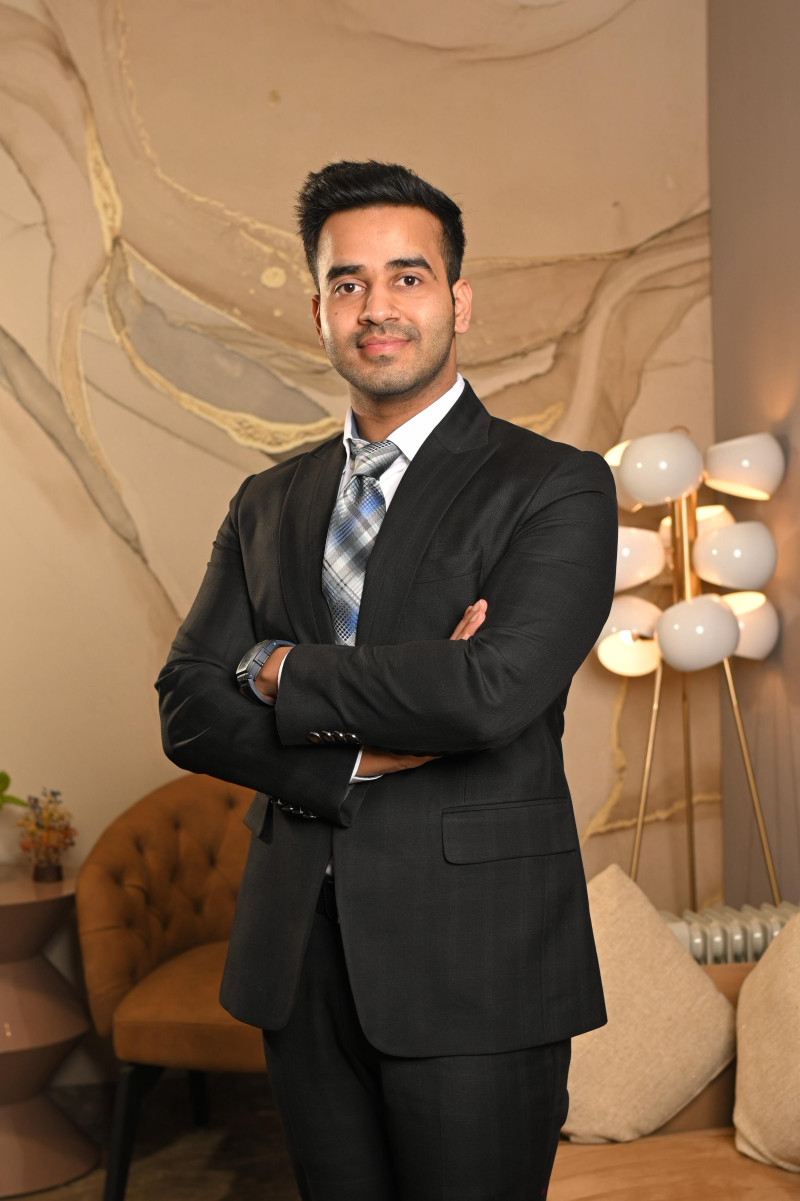
In Exclusive conversation with Utsav Singal, Founder, Eastman Exports, and Ankur Sharma, Founder & Editor at The News Strike, a compelling narrative of scale and strategy unfolds—one rooted in execution discipline rather than aggressive expansion. Transitioning from trading to manufacturing, the company focused on controlling quality, timelines, and customer relationships, even as it navigated early-stage trust deficits with global buyers. Backed by TÜV-certified processes, ERP-led operations, and consistent international market engagement, Eastman Exports has built a reputation around reliability—especially in on-time delivery, a critical differentiator in export markets. The journey from ₹9 crore to ₹60 crore underscores a larger insight: in traditional sectors, sustainable growth is less about speed and more about systems, financial discipline, and long-term customer alignment.
1. In the early days of Eastman Exports, what were the toughest operational or market-entry challenges you faced, and how did you navigate them?
In the initial stages of Eastman Exports Inc., our manufacturing setup was relatively small, which made it challenging to build trust with international buyers. Convincing export customers to partner with us while we were still expanding required strong commitment. We focused on offering consistent quality, competitive pricing, and reliable on-time delivery, which gradually helped us establish credibility and grow our customer base.
2. Your shift from trading to manufacturing is a significant strategic move. What were the key triggers behind this decision, and what risks did you have to manage?
Our shift from trading to manufacturing was driven by the need for better control over quality, pricing, and timelines. Trading limited our flexibility and margins, whereas manufacturing allowed us to create customised solutions and build long-term relationships with clients. The key risks included capital investment, operational complexities, and capacity utilisation, which we managed through phased expansion and careful financial planning.
3. How do you differentiate your business in highly competitive global markets where pricing and compliance are critical?
In highly competitive export markets where pricing and compliance are critical, we differentiate ourselves through reliability, especially in timely deliveries. Given the long transit times in international shipping, our ability to consistently meet deadlines provides a strong competitive edge.
4. What have been your key learnings from direct international exposure through trade shows and buyer interactions?
Direct interaction with global buyers through trade shows has been invaluable. One key learning is the importance of maintaining a consistent market presence. Regular participation in international exhibitions not only builds trust but also reinforces our brand positioning, even when we already have an established customer base.
5. Scaling from ₹9 crore to ₹60 crore in a short span requires strong execution—what systems or processes have been most critical in enabling this growth?
Our growth has been driven by disciplined systems and processes. We follow TÜV Germany-certified standards and have implemented an in-house ERP system to streamline operations and monitor daily activities. Additionally, proactive efforts such as international travel and participation in construction-focused exhibitions have played a crucial role in acquiring new customers.
6. How do you approach talent building and workforce management, especially in a manufacturing-led setup in a tier-2 city?
Building a capable team has been central to our success. We have hired experienced professionals with over 15 years of expertise in the scaffolding industry. This has enabled faster decision-making, minimised delays, and ensured efficient execution across operations.
7. With your expansion into real estate, how do you balance capital allocation between manufacturing and development projects?
We maintain strict financial discipline by not diverting funds between businesses. Each vertical, manufacturing and real estate, operates with its own capital structure, ensuring smooth cash flow management and timely payments to suppliers.
8. What is your long-term vision for Eastman Exports in terms of global positioning and product evolution?
Our long-term vision is to focus on product innovation tailored to individual client requirements. By aligning with our customers’ future needs in advance, we aim to build strong, long-term partnerships and stay ahead of the competition.
9. How do you view the role of tier-2 industrial cities like Ludhiana in shaping India's next phase of economic growth?
Tier-2 industrial cities like Ludhiana play a crucial role in India’s next phase of economic growth. They offer cost advantages, strong manufacturing ecosystems, skilled labor, and entrepreneurial agility. These cities have the potential to become global manufacturing hubs, especially with improved infrastructure and policy support.
10. As a young entrepreneur, what mindset or principles have guided your decision-making under uncertainty?
My decision-making has been guided by a few key principles: committing only within our capabilities, ensuring timely payments to suppliers, and managing cash flows prudently. I also believe in empowering teams by giving them ownership and autonomy, which leads to faster and more effective execution.
11. What advice would you give to first-generation founders looking to build scalable, capital-efficient businesses in traditional sectors?
Take calculated risks with a clear understanding of potential downsides. Focus on sustainable growth rather than rapid expansion. Most importantly, maintain strict control over cash flows and build a business that can withstand uncertainties in execution.
Utsav Singal holds a BBA from Narsee Monjee Institute of Management Studies (NMIMS), Mumbai (2020), followed by an MBA in Entrepreneurship (2022). During his academic years, he gained early operational exposure by actively participating in business functions during school and college breaks, experiences that shaped his structured approach to enterprise building.

