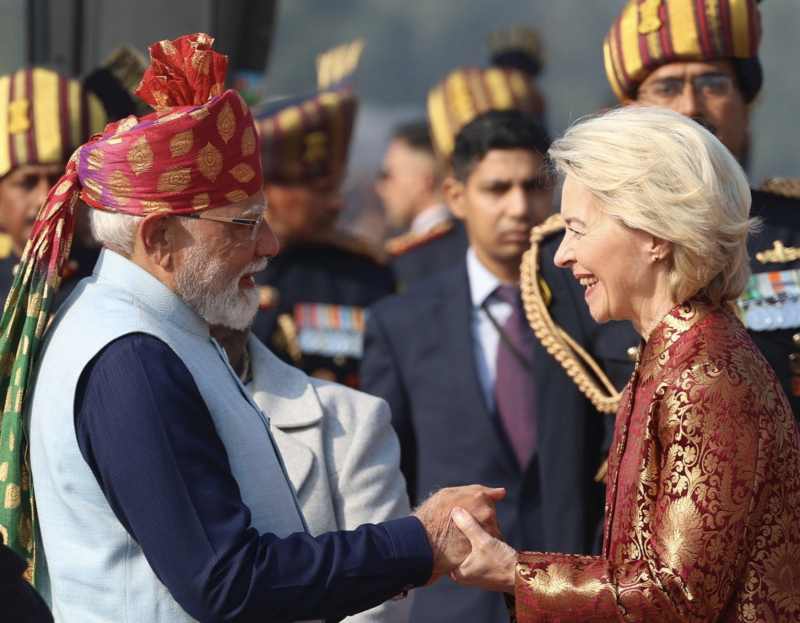
After nearly 20 years of stalled negotiations, India and the EU have concluded talks for a historic free trade agreement set to be announced on January 27, 2026. Dubbed the "mother of all deals," this pact will reshape trade between a market of 2 billion people accounting for almost a quarter of global GDP.
𝗔𝘂𝘁𝗼 𝗦𝗲𝗰𝘁𝗼𝗿 𝗕𝗿𝗲𝗮𝗸𝘁𝗵𝗿𝗼𝘂𝗴𝗵:
India has agreed to drastically cut import duties on European cars from current rates of 70-110% down to 40% initially, with a gradual reduction toward 10% over time. This applies to around 200,000 internal combustion engine vehicles annually priced above €15,000. Battery electric vehicles are excluded for the first five years to protect domestic manufacturing investments. This opens India's heavily protected auto market to brands like Volkswagen, Mercedes-Benz, and BMW.
𝗪𝗵𝗮𝘁 𝗜𝗻𝗱𝗶𝗮 𝗚𝗮𝗶𝗻𝘀 🇮🇳:
India is seeking better market access for textiles, garments, leather, gems and jewellery, engineering goods, and processed foods—sectors that lost tariff advantages after the EU withdrew concessions under its Generalised System of Preferences in 2023. The deal also aims for smoother regulatory pathways for pharmaceuticals and chemicals, easier access for IT and professional services, simplified movement of skilled workers, and relief from double social security contributions. Agriculture and dairy remain excluded to protect domestic farmers.
𝗪𝗵𝗮𝘁 𝘁𝗵𝗲 𝗘𝗨 𝗚𝗲𝘁𝘀 🇪🇺:
European wines and spirits currently facing duties of 150-200% will see phased tariff reductions. High-end cars, machinery, chemicals, medical devices, and electrical equipment will benefit from lower tariffs and eased regulatory barriers. The EU is also seeking clearer rules on services, procurement, intellectual property, labor and environmental standards, plus stronger investment protections and opportunities in India's manufacturing, clean energy, and digital infrastructure sectors.
𝗨𝗻𝗿𝗲𝘀𝗼𝗹𝘃𝗲𝗱 𝗜𝘀𝘀𝘂𝗲𝘀 ⚠️:
India is resisting EU demands to eliminate tariffs on more than 95% of goods, signaling closer to 90% instead. A major concern is the EU's Carbon Border Adjustment Mechanism (CBAM), which could impose a 20-35% levy on carbon-intensive exports like steel, aluminium, and cement from 2026. Whether India secures relief remains unresolved. Non-tariff barriers including stringent standards and certification costs are another sticking point.
𝗧𝗶𝗺𝗲𝗹𝗶𝗻𝗲 📅:
Negotiations concluded on January 25, 2026, with formal announcement on January 27. Legal scrubbing of the text is underway, with signing expected within 5-6 months. Ratification by the European Parliament will take another 6+ months, meaning the deal may enter into force in early 2027. This will be India's eighth trade agreement in five years.
𝗪𝗵𝘆 𝗡𝗼𝘄?:
Both sides see strategic value amid global trade disruptions and rising protectionism. The agreement comes as supply chains are reconfigured, dependence on China is reassessed, and the US pursues protectionist tariff policies. The EU is India's largest trading partner, with bilateral trade at $136.53 billion in FY25.