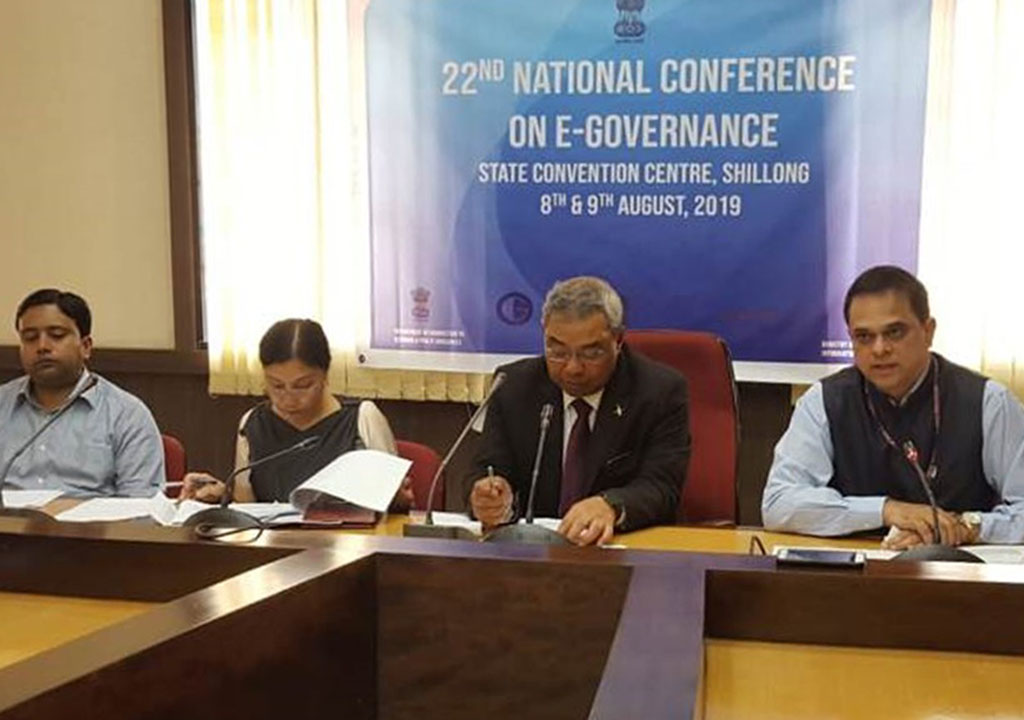
The 22nd National Conference on e-Governance 2019 (National Conference on e-Governance 2019) was inaugurated in Shillong, Meghalaya—marking the first time the conference was held in the North East region.
The event was inaugurated by Union Minister of State (Independent Charge) Dr. Jitendra Singh, along with Meghalaya Chief Minister Conrad K. Sangma.
Key participants
Jitendra Singh (DoNER, PMO, Personnel, Atomic Energy & Space)
Conrad K. Sangma
The conference saw participation from senior government officials, IT industry representatives, and researchers from across India, with representation from 28 states and all Union Territories.
Key themes and objectives
1. Strengthening e-Governance
Dr. Singh emphasized citizen-centric governance aligned with the vision of “Minimum Government, Maximum Governance,” as articulated by Prime Minister Narendra Modi. He highlighted the push toward making governance:
Easy
Effective
Economical
Environment-friendly
2. Digital governance reforms
He outlined several initiatives aimed at improving efficiency and transparency:
Removal of over 1,500 obsolete rules
Elimination of mandatory government certification of documents
Expansion of digital platforms like:
UMANG
IRCTC Rail Connect
Life certificate system (Jeevan Pramaan) for pensioners
Expansion of grievance redressal via CPGRAMS
He also noted a grievance disposal rate of over 95%, reflecting improved responsiveness.
3. Digital India and inclusion
The conference highlighted flagship initiatives such as:
Aadhaar-based digital identity systems
Jan Dhan Yojana financial inclusion drive
Expansion of digital literacy and connectivity in rural and remote regions
Target of universal digital access by 2022 (75th Independence year milestone)
Focus on North East development
Special emphasis on improving connectivity in Meghalaya and the North East
Support for telemedicine and digital classrooms
Promotion of externally aided development projects
Push for IT hub development in the region
Meghalaya government perspective
Chief Minister Conrad K. Sangma stressed:
Effective use of technology depends on application, not just sophistication
Importance of reliable data for governance and decision-making
Use of digital systems in healthcare (e.g., maternal health tracking improving institutional deliveries)
Vision to create SMART villages alongside SMART cities
Broader significance
Officials described the conference as a platform for:
Sharing best practices in e-governance
Bridging the digital divide
Increasing transparency and citizen participation
Strengthening coordination between Centre and States.