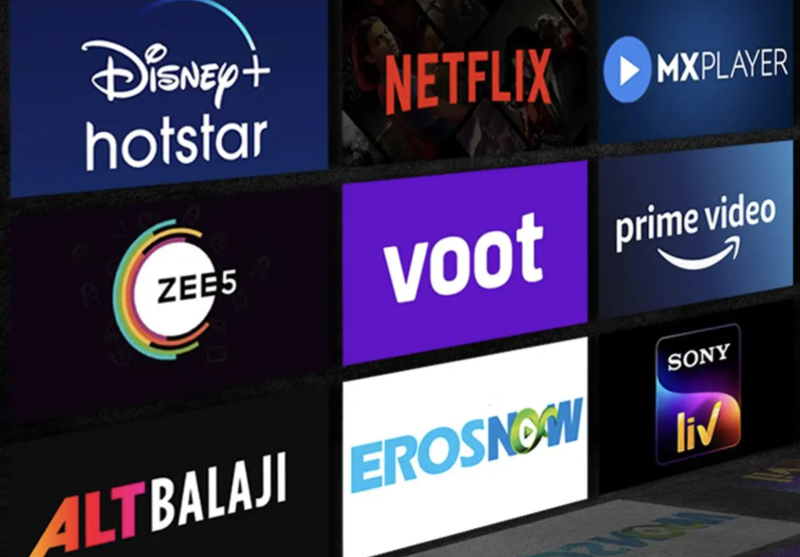
India’s media and entertainment consumption is experiencing a tectonic shift, driven by the dual forces of mass Connected TV (CTV) adoption and the overwhelming demand for content in local vernacular languages. This convergence has crowned Tier 2 and Tier 3 cities as the new, most potent epicenters for brand engagement and digital viewership, fundamentally changing how media budgets are allocated.
The technological facilitator is the increasing affordability of Smart TVs. Once a metropolitan luxury, these internet-connected devices are now standard household purchases across non-metro India, fueled by aggressive financing options and declining costs. This mass adoption effectively transforms the traditional television into a CTV, instantly replacing linear broadcast with streaming platforms. Crucially, this shift delivers the coveted Connected Screen—the large-screen, communal viewing experience of traditional TV, combined with the precision targeting and measurability of digital advertising. This is the sweet spot for advertisers seeking high attention and low media wastage.
However, the real engine of this viewership growth is regional content. Data confirms that new internet users, and especially those in non-metro areas, overwhelmingly prefer content in their native tongues—be it Tamil, Marathi, Bengali, or Punjabi. This preference has catalyzed massive investment from production houses and streaming platforms into creating high-quality, long-form content, web series, and films that reflect local cultures and dialects. This vernacular renaissance is highly profitable because it drives higher co-viewing rates and dramatically increases time spent on the platform, leading to strong brand recall and engagement during ad breaks.
This localized content strategy extends across formats. The popularity of short-form video platforms is soaring in these markets, serving as a rapid-consumption, highly personalized entry point for digital entertainment. For streaming platforms, leveraging this short-form content to promote high-budget regional shows is a proven user-acquisition tactic. Furthermore, the bundling of subscription services by telecom providers and device manufacturers has minimized friction, onboarding millions of new premium viewers simultaneously and accelerating the transition away from traditional broadcast.
For marketers, the shift means the old geography of media consumption is irrelevant. The focus is no longer just on the large metropolitan cities; it is on targeting specific regional language audiences across the large screen in affluent non-metro homes. This presents an unprecedented opportunity for brands to leverage contextually relevant advertising within high-quality regional content, making the Vernacular View the single most important trend driving advertising technology and content strategy in the country.