

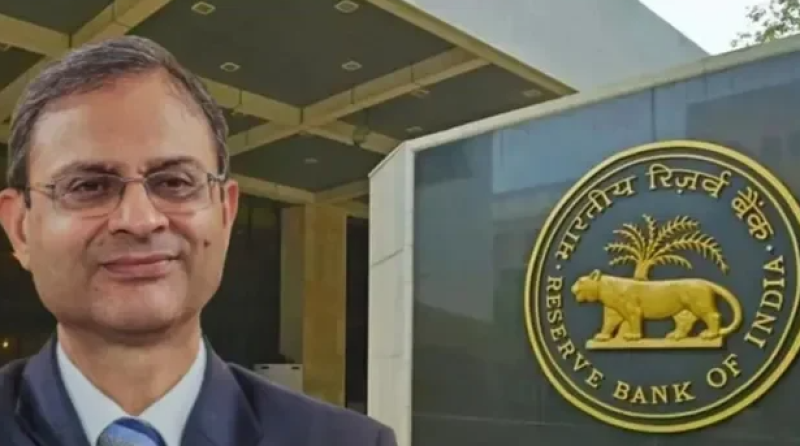
RBI’s decision to keep repo rate unchanged and withneutral stance reflects a tight rope walking that it faces given the evolvingmacroeconomic conditions, particularly geopolitical uncertainties and globalsupply chain disruptions. While domestic economic fundamentals remain robust,external risks weigh on inflation arising from the ongoing West Asiaconflict—pose challenges to both growth and inflation rates.
“The RBI’s decision to maintain the policy rateunderlines a balanced monetary approach in an environment marked by supply-sidedisruptions. With domestic demand growth remaining resilient and inflationlargely within the target range of 2% to 6%, this position provides stabilityto industry while addressing emerging risks said Mr. Rajeev Juneja, President, PHDCCI.
Aditya Vuchi, General Partner at VCMint, shares his views on its impact on private capital deployment:
"From a private capital investment standpoint, the ceasefire offers short-term relief in global markets portfolio, particularly with easing oil-linked volatility and improving risk sentiment. However, capital deployment will remain cautious until there is greater clarity on whether this de-escalation is durable.
In the interim, we’re likely to see selective investments, especially in sectors like defence tech, energy, and supply chain, which continue to benefit from underlying geopolitical shifts."
“The RBI’s decision to hold rates at 5.25% reinforces policy consistency at a time when global uncertainty and rising crude prices could have warranted a more reactive stance. Instead, it reflects confidence in the underlying strength of the Indian economy. With GDP projected at 6.9% in Q1 FY27 and private sector investment continuing to hold, the fundamentals remain intact. At this point, the repo rate is no longer the primary driver of demand in the luxury housing market—it’s simply a signal of stability. Credit growth and sustained greenfield FDI interest further indicate that the growth story is not just cyclical, but structural. In Mumbai, luxury homebuyers are increasingly making decisions independent of short-term rate movements. They are driven by long-term value, design, and trust. A stable macro environment doesn’t create demand—it validates it..” - Mr. Ram Raheja, Managing Director, S Raheja.
Mr. Nikhil Madan, MD Mahima Group on RBI MPC Announcement held today. Request you to kindly consider the same for your esteemed publication.
“RBI’s decision to hold rates and maintain neutral stance signals a calibrated pause not complacency. Amid rising global uncertainties, geopolitical tensions to crude driven inflation risks and currency pressures, central bank is clearly prioritising macroeconomic stability over short term stimulus. For real estate, this translates into continued demand resilience supported by strong credit growth and steady end user sentiment, even as rate cuts remain off the table in the near term. Equity markets may see intermittent volatility, but the underlying growth trajectory hovering around the 6.7to 7.2% range keeps India firmly positioned as a relative bright spot. The real inflection now hinges on how sustainably private capex cycles and consumption momentum can offset external shocks.”
Mr. Pralay Mondal, MD & CEO, CSB Bank, on the latest MPC policy.
“RBI has prudently maintained the Status Quo on the policy with a Data driven stance going forward. Reduction in Growth and increase in projected inflation are within the tolerance limits of current policy. The assurance on critical aspects of liquidityin a crisis period is reassuring.”
“RBI’s decision to maintain the repo rate at 5.25% reflects a balanced and prudent approach amid evolving global uncertainties. This stability in interest rates is a positive for the real estate sector, as it sustains buyer sentiment and keeps home loan EMIspredictable for end-users. In an environment where inflation risks persist and global headwinds remain, a steady rate regime provides developers and homebuyers the confidence to plan long-term investments. We believe this move will continue to support housingdemand, particularly in the mid-income and premium segments, while reinforcing overall market stability.” -Mr. Prakhar Agrawal, Director, Rama Group.

