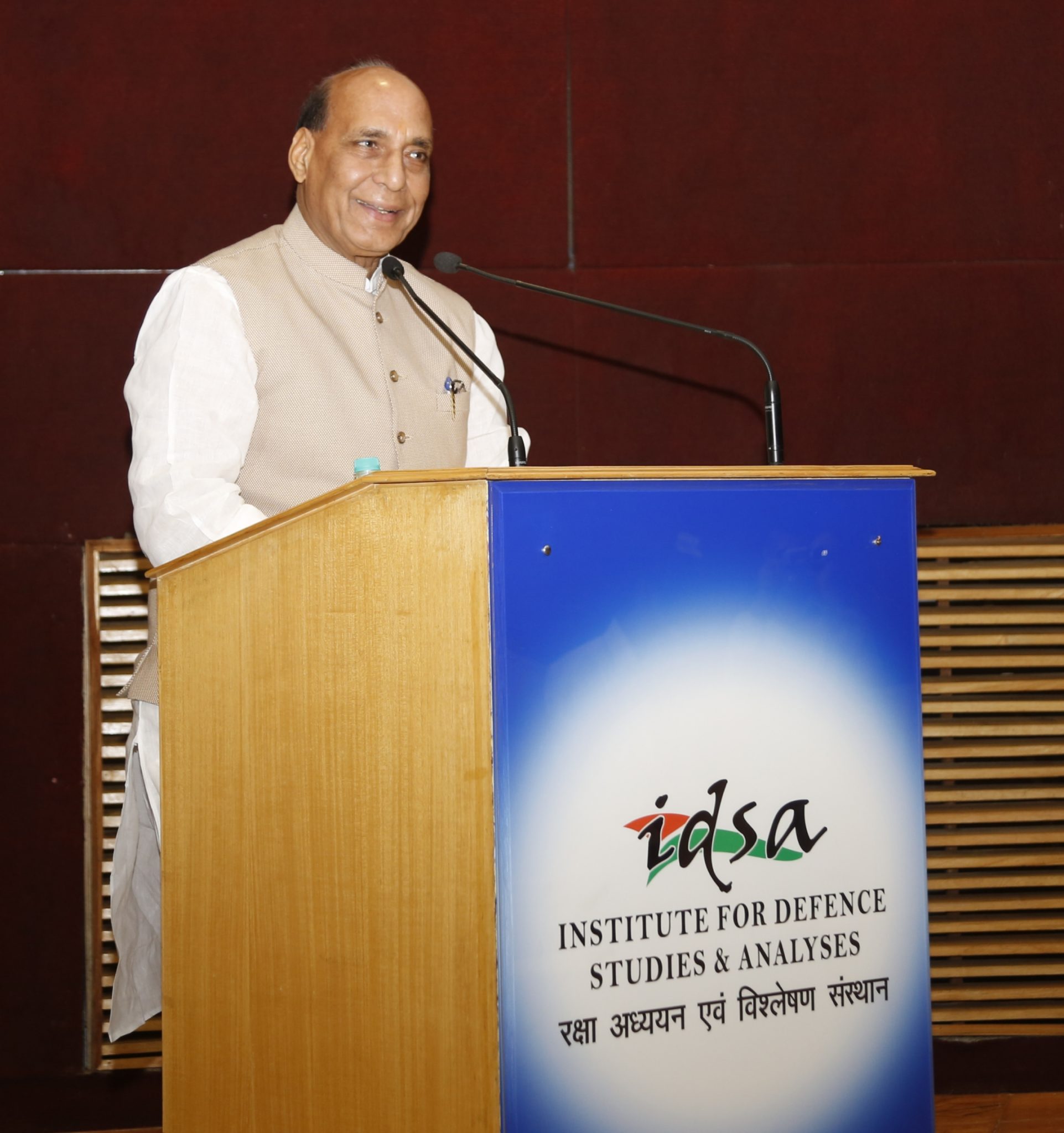
New Delhi: In a significant step toward improving work-life balance within the armed forces, the Ministry of Defence has expanded Child Care Leave (CCL) benefits to include single male service personnel while also introducing greater flexibility for women officers. The decision aligns military personnel policies with recent reforms introduced for civilian government employees and reflects a broader push toward inclusive and family-friendly workplace practices.
The reforms were approved by Defence Minister Rajnath Singh and are expected to benefit service personnel who shoulder primary caregiving responsibilities while serving in demanding operational environments.
Under the revised provisions, single male personnel in the armed forces will now be eligible for Child Care Leave, a benefit that was previously available only to women officers. Policy experts say the move acknowledges evolving family structures and recognizes that caregiving responsibilities are increasingly shared across genders.
The changes also introduce important support measures for parents of children with disabilities. Earlier provisions allowed Child Care Leave for children with at least 40 percent disability only up to a prescribed age limit. The revised policy removes this age restriction, enabling eligible personnel to access leave benefits regardless of the child's age. Advocates for disability rights have long argued that caregiving needs often continue well into adulthood, making age-based restrictions impractical for many families.
Another key reform relates to flexibility in leave utilization. The minimum duration for availing Child Care Leave in a single spell has been reduced from 15 days to five days. Human resource specialists note that shorter leave periods allow personnel to respond more effectively to school-related needs, medical appointments, examinations, emergencies, and other caregiving responsibilities without requiring extended absences from duty.
Defence analysts view the policy as part of a gradual modernization of personnel welfare measures within the armed forces. While military service often involves unique operational challenges, there is growing recognition that family support policies contribute to morale, retention, and overall well-being among personnel.
The decision also reflects broader efforts across government institutions to create more inclusive employment frameworks that accommodate diverse family circumstances. By extending eligibility to single fathers and improving support for families caring for children with disabilities, the revised policy seeks to ensure that welfare measures are more responsive to contemporary social realities.
As armed forces worldwide increasingly emphasize personnel welfare alongside operational readiness, the expanded Child Care Leave provisions signal a shift toward policies that recognize both professional responsibilities and family obligations. Observers believe such reforms can contribute to a more supportive service environment while reinforcing the government's commitment to employee welfare and gender-inclusive policy making.