Mr. Anshul Garg, Director & CEO of Aroma AAT Basmati Rice, thinks budgetary supplements and the government's objective to bring down the fiscal deficit will have positive impacts on the overall agricultural sector, "The agriculture sector is content with the forward-looking budget focusing on the welfare of farmers. The INR 1.52 lakh crore budgetary supplement for the agricultural sector will help the industry to modernise through research and development. Other strategic initiatives like the digital public infrastructure, in collaboration with state governments will offer further strengthening. The introduction of the Jan Samarth-based Kisan Credit Card will help farmers in key states to finance their cultivation, safeguarding them from potential financial difficulties. However, the highlight of the Union Budget was the government's commitment to reduce the fiscal deficit from 4.9% to below 4.5% — which will empower agri-product exporters, as we are eager to contribute more to this national growth story."
| The inclusion of Viability Gap Funding (VGF) in infrastructure development is crucial. While great progress has been observed in the development of roads, careful planning and execution of other projects are essential. With a strategic approach, these projects can drive significant economic growth. | Ramendra Verma | Infra |
| The Employment-Linked Initiative represents a crucial effort to boost job opportunities in the formal sector. By aligning employment with targeted initiatives, the government seeks to stimulate growth and positively influence the workforce. | Ramendra Verma | Employment |
| The allocation of INR 15,000 crore for Amaravati's development through Infrastructure Development Authorities (IDAs) is a major step forward. This funding can transform Amaravati into a modern, sustainable city, driving economic growth and infrastructure development. The emphasis on future-oriented planning is commendable, and it will be interesting to see the tangible progress resulting from this budget. | Ramendra Verma | Urban Development |
| New and additional employment incentives across manufacturing and other sectors will encourage workforce growth and bolster the Make in India initiative. These incentives complement existing PLI schemes and provide additional income tax benefits for hiring more employees. | Krishan Arora | Manufacturing |
| Setting up e-commerce and export hubs through public-private Partnerships will expand market reach for rural artisans, aiding in the economic upliftment of rural Bharat. | Naveen Malpani | FMCG + e-commerce |
| Digital Public Infrastructure in agriculture will provide more farmer data, enabling fintechs to access mainstream credit information. This will improve credit quality and increase financial inclusion for farmers. | Vivek Iyer | Financial Services |
| Regulatory forbearance will allow banks to extend credit to stressed MSMEs in the SMA category due to external circumstances. Enhanced regulatory focus will ensure benefits reach deserving entities. | Vivek Iyer | Financial Services |
| The government has broadened the market for receivables discounting for MSMEs by lowering the threshold for more receivable buyers on the TREDS platform. Enhanced liquidity will help MSMEs manage their working capital better, enabling them to fund their growth aspirations. | Vivek Iyer | Financial Services |
| Public Sector Banks will develop independent credit scoring models based on MSMEs' digital footprint, leading to improved data quality and governance. We also expect increased regulatory scrutiny of these alternate credit scoring models. | Vivek Iyer | Financial Services |
| The government's initiative to build working hostels and crèches to support women's employment is a significant step toward creating a more inclusive workforce. This policy will boost demand for mixed-use developments and community-centric real estate projects. Integrating such facilities within residential and commercial complexes empowers women, enhances their labor force participation, and fosters economic growth. | Shabala Shinde | Women-led development |
| Supporting bankable projects on sanitation, wastewater management, and solid waste management in 100 large cities will accelerate Swachh Bharat outcomes. Implementing Extended Producer Responsibility for critical minerals is key to leveraging a circular economy for strategic market outcomes. Additionally, considering that irrigation consumes most of the fresh water in India, the announcement on promoting treated wastewater for irrigation and replenishing tanks is welcome, especially, in light of increasing water stress. | Abhinav Akhilesh | PSU |
| Support for 60 MSME clusters in conducting energy audit through incentive/subsidised scheme to identify areas of improvement and make this sector more energy efficient and fulfill country's net zero path. This scheme where 100 clusters will be added will go a longway in achieving this objective. | Amit Kumar | Energy |
| Redeveloping cities through a well-developed framework of enabling policies, market mechanisms, and regulations is expected to boost both urban and peri-urban areas. This approach will integrate peri-urban areas smoothly into the urban landscape. | Padma Priya | Urban Development |
| Moderated stamp duty on urban housing, particularly for women, would improve affordability and lower the overall tax burden on immovable properties, which often incurs significant GST costs. | Krishan Arora | Real Estate |
| The proposed budget on agriculture with a focus on "Productivity and Climate resilience" is right on the spot for the current requirements of the country. India's average productivity is less compared to the world's highest productivity for majority of crops e.g Paddy, Maize, Oilseeds etc. There is a clear need to focus on research & development which will enhance the overall production. Focusing on natural farming is the need of the hour to support the natural soil ecosystem which is vulnerable because of high agri input usage. Focus on infrastructure like irradiation units, quality labs will help in infrastructure availability inter -alia resulting in reduced post-harvest losses and improving quality assurance for the consumers. Vegetable clusters will help in easing out the food inflation pressures. Moreover, the new programme on oil seeds & pulses is a must and the government is spending more than 1.5 lakh crore on the import of oilseeds (which is more than 50% of the country's demand). The programme shall build Aatmanirbharta and self-sufficiency in oilseeds and pulses, reducing the pressure of imports and global vulnerabilities. Building digital agriculture infra will bring efficiency and inclusiveness in the areas as desired for a holistic development of farmers. The budget of 1.52 lakhs Cr is around 20% higher compared to last year's budget though the focus areas are in the right direction of long-term growth and achievement of the Prime Minister's vision of Viksit Bharat. | Chirag Jain | Agriculture |
| The recent budget announcements regarding rental housing are set to greatly enhance the real estate market, particularly benefiting SM REITs. This strategic emphasis will stabilise rental yields and position REITs as pivotal drivers in the growth of the residential real estate sector, fostering a more robust and dynamic market. | Shabala Shinde | Real Estate |
| Focus on tourism will transform Brand India. By highlighting new destinations like Odisha, promoting sustainable tourism, and revitalising ancient temples and pilgrimage sites, India is set to become a 'must-see, must-visit' global tourism destination. | Soumya Palchoudhuri | Tourism |
| Reviewing existing customs duty rates and furthering exemptions or reductions of BCD across various sectors underscores the government's vision for 'Make in India.' Sectors like leather, critical minerals, and telecom (mobile phones) will benefit from duty exemptions or reductions, highlighting the need for growth and penetration in these areas. | Sohrab Bararia | |
| Skilling-Employment | continues to be the Government's focus, with special emphasis on formalisation The Union Budget's allocation of ₹1.48 lakh crore strategically targets skilling of India's Youth, focusing on creating a robust workforce and improving formal employment. The Government's initiatives are designed to bolster first-time and formal employment, invigorate the manufacturing sector and incentivize employers. Model Skill Loan to be revamped and E-Vouchers to be introduced to improve access to domestic higher education and continued skilling. The internship programs are envisioned to develop 1crore+ job-ready youth with hands-on experience in state-of-the-art facilities in the top 500 companies. Improving women's participation in jobs to be duly supported by women's hostels and crèches to be operated by women self-help groups. This is not an incremental change but transformative in spirit, laying out a positive roadmap for Viksit Bharat by 2047. | Johnny Edward | Skilling and Employment |
| Foreign investors stand to gain significantly from the simplification of FDI policies aimed at promoting privatisation, the abolition of angel tax, the rationalisation of tax assessment provisions, and the overhaul of the Indian income tax regime. These changes are designed to reduce tax litigation and enhance tax clarity. | Priyanka Duggal | FDI |
| Significant changes can be observed in the tax landscape. The long-awaited comprehensive review of the Income Tax Act has been announced. The withdrawal of Angel Tax and Equalisation Levy represents major shifts. The rationalisation of the TDS regime is a welcome measure and changes to the capital gains tax regime are expected to curb speculation. Although shifting the buyback tax to shareholders may have mixed effects, overall, the budget introduces transformative changes promoting the tax reforms agenda of the Government. | Riaz Thingna | Tax |
| The budget's emphasis on the industrial ecosystem, including expanding industrial clusters, promoting skills and internships, increasing SIDBI branches, and facilitating rental housing and dormitories through PPPs, is commendable. To achieve the desired impact, a convergent approach is essential. Aligning these efforts will drive sustainable growth, enhance employment opportunities, and strengthen the MSME sector in India. | Ramendra Verma | Industrial Development |
| The Union Budget 2024 proposes market-based financing for private sector involvement in infrastructure projects. This is expected to attract new entrants into the NBFC-IFC space and lead to increased deal activity over the next 18-24 months | Vivek Iyer | FS |
| Simplifying FDI rules and focusing on using the rupee as the investment currency indicates the government's aim to mitigate exchange rate risks and minimise foreign exchange volatility. | vivek Iyer | FS |
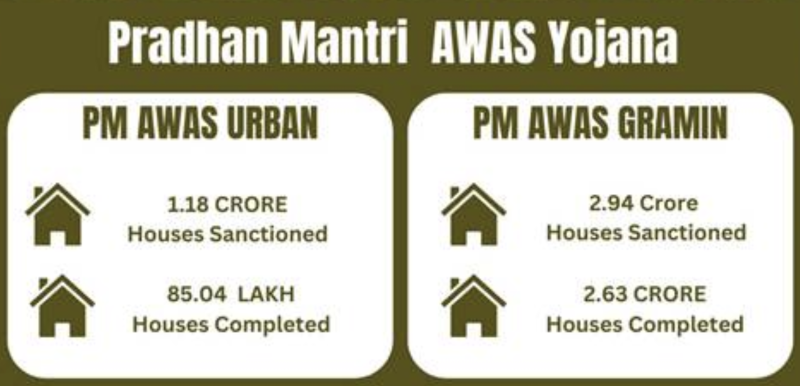
| The allocation of INR 10 lakh crore under the PM Awas Yojana to address housing needs for 1 crore urban poor and middle-class families will boost affordable housing. This is expected to enhance consumer spending and financial stability, leading to increased demand for consumer goods and services. It will also help stimulate the FMEG market in India, which has been struggling with inflation recently. | Naveen Malpani | Consumer and Retail |
| Customs duty reforms will continue to encourage domestic manufacturing, local value addition, and boost exports. Further rationalisation of customs duty rates would significantly support these objectives. | P.S. Krishnan | Customs |
| Public sector banks are poised to enhance their credit assessment capabilities by leveraging digital footprint of MSMEs, moving beyond traditional asset and turnover criteria. This shift promises a more nuanced and inclusive approach for valuating creditworthiness, potentially transforming how financial services are extended to MSMEs without formal accounting systems. | Dharmender jhamb | Digital Natives |
| Ongoing emphasis on technology adoption accelerates digitalisation and strengthens the economy. Scaling up Digital Public Infrastructure (DPI) applications in sectors such as credit, e-commerce, education, health, law and justice, logistics, micro, small, and medium enterprises (MSMEs), services delivery, and urban governance is set to deliver significant productivity improvements and business opportunities, driving innovation across various sectors. | Raja Lahiri | Tech |
| The budget allocation for the IT and telecom industry is set at INR 1,16,342 crore, with a strong emphasis on advancing semiconductor and display manufacturing. Additionally, the reduction of customs duties on mobile phones, mobile printed circuit board assembly (PCBA), mobile chargers, and electronics will support domestic manufacturing, enhance local value addition, and boost export competitiveness. To further incentivise domestic production, the Basic Customs Duty (BCD) on PCBA for specified telecom equipment has been increased from 10% to 15%, aligning with the 'Make in India' vision. | Raja Lahiri | |
| The Economic Survey highlights a disparity in housing loans, with Eastern States holding only 6.9% of the share. The Purvodaya Scheme aims to address this by improving infrastructure, increasing access to housing finance, and attracting investment. This initiative promises to unlock the region's real estate potential, bridge regional disparities, and drive sustainable growth. | Shabala Shinde | Real Estate |
| Economic survey highlighted that Private Equity investors took advantage of buoyant equity markets in India and exited profitably, hence showing a sign of a healthy market environment offering profitable exits to investors, which will bring newer investments in the years to come. That said, Economic survey did recognize the need for sustaining overseas investor interest, since the environment for FDI to grow in the coming years is not highly favourable for many reasons. The ripple effect of the same is hence clearly visible with today's Budget speech where FM seeks to provide a boost to foreign investments with announcements on simplification for FDI and ODI, initiating pooled funds of Private Equity through a 'variable company structure, abolition of angel tax for all investors, rationalisation of Capital Gains provisions, reducing corporate tax rates for foreign companies from 40% to 35%, provide safe harbor and certainty in international taxation and ordering a comprehensive review of Indian income tax Act with a view for simplification of the same. The amendments provides simplification and incentivization to further bolster India's position as an attractive destination for the Private Equity investors. | Priyanka Duggal | PE |
| The scope of Tax Collected on Source (TCS) has expanded over the years to include the transactions such as remittances made under Liberalized Remittance Scheme (LRS), purchase of motor car exceeding certain value, etc. The credit for such TCS paid by individual taxpayers is not available for adjustment against the TDS on salary by employer and hence, results in cashflow issue for such individual taxpayers. Through the Finance Bill (No. 2), 2024, the finance minister has proposed to include such TCS paid by employees for consideration of tax credit by employer for tax deduction at source (TDS) on salary. This proposal will address the cashflow issue faced by taxpayer employees for TCS claim against on TDS on salary. Additional clarification is expected for TCS credit paid before 1 October 2024 and also, on process for submission of declaration/information by employee to employer. | Akhil Chandna | Personal Tax |
| With an aim to bolster the Indian start-up eco-system, the entrepreneurial spirit and support innovation, the Budget 2024 abolishes the Angel tax. Such a move is likely to create a more supportive environment for private equity investments, aligning with the government's focus on providing tax certainty. Draconian Angel Tax saw a sparked debate last year, specifically for non-resident and private equity investors looking to invest in India. Angel tax is an anti-abuse provision wherein Indian closely held companies were subject to tax on the excess of the issue price received over the fair market value of the shares. Until last year, Indian closely held companies were subject to Angel Tax only on shares issued to resident investors, however Budget 2023 introduced the same for shares issued to non-residents as well followed by specific guidance and rules on computation mechanisms. Since then, foreign Private equity investors have been facing double whammy for compliance with angel tax and foreign exchange regulations. While certain exemptions were provided on the levy including those for specified funds, start-ups, etc, angel tax did place a significant burden on Indian corporates looking to attract investments as well as need for structuring the investments owing to multiple uncertainties. Notably, FDI and PE/VC inflows in India saw a mild decline last year and hence sun-set clause for angel tax provisions are likely to support boosting investor confidence. | Priyanka Duggal | Angel Tax |
| The removal of customs duties on critical minerals like lithium, cobalt, and nickel, as announced in the Budget 2024, is a strategic move to bolster EV battery production in India. Lithium, being a key component in batteries, is essential for reducing energy emissions and lowering oil dependency. By exempting these duties, the government is ensuring cost-effective and reliable supply chains for EV battery production. This measure, coupled with the establishment of the Critical Mineral Mission for domestic production and recycling, will enhance the availability of these crucial minerals. The initiative will also focus on technology development, a skilled workforce, and an extended producer responsibility (EPR) framework. These steps are expected to significantly boost the processing and refining of critical minerals, fostering a circular economy in the aftermarket value chain and ultimately strengthening the EV supply chain in India. | Saket Mehra |
Mr. Mohit Goel, Managing Director of Omaxe Group, praised the budget's comprehensive approach: "Budget 2024 stands out for its people-centric vision and powerfully advancing affordable housing in urban areas with a landmark allocation of Rs. 10 lakh crore under the PM Awas Yojana-Urban 2.0. The allocation of Rs. 11.11 lakh crore for infrastructural development, along with the innovative PPP model for rental housing in urban centers and the strategic push for transit-oriented development showcases a forward-thinking approach. These initiatives will undeniably propel real estate development in the right direction."
"In essence, the budget represents a strategic economic boost, ensuring India's macro growth remains resilient amid global uncertainties. By prioritizing key sectors such as skilling, urban development, and infrastructure, this budget injects crucial energy and momentum into the economy," he added.
Rajjath Goel, Managing Director, MRG Group, highlighted the sustainability focus: "The Union Budget has made an unequivocal statement about its commitment to sustainable urban development, with a sharp increase in finances for projects aimed at improving connectivity and the quality of life in cities. There is a robust framework brought out in the new budget for integrating renewable sources of energy into housing projects in urban areas towards modernizing cities and accommodating the growing urban population effectively."
Mr. Harinder Singh Hora, Founder Chairman of Reach Group, reflected on the past year's success and future opportunities: "The real estate sector witnessed a phenomenal year in 2024. Stable interest rates, ample supply, strong economic growth, and the government's focus on infrastructure development all contributed to a significant boom. As we look towards the future, particularly with the retail sector poised for rapid expansion, ensuring commercial real estate policies that accelerate demand and growth which is further aligned with the government's commendable goal of promoting entrepreneurship is crucial. Reducing GST on construction materials and implementing a single-window clearance system would be a significant step forward."
Uddhav Poddar, MD, Bhumika Group, emphasized the impact on commercial real estate: "The emphasis on infrastructural development by allocating Rs. 11.1 lakh crores along with employment generation and skill development will boost real estate development and provide a fillip to the commercial segment. The promulgation of the PPP model for rental housing in urban centres, along with transit-oriented development (TOD), will also promote real estate development."
Prasoon Chauhan, Founder & CEO, Aurika Homes, focused on affordable housing and infrastructure: "A key highlight of the Union Budget 2024 is the allocation of ₹10 lakh crore to urban housing, which will significantly advance affordable housing and address the needs of middle-class homebuyers. Additionally, the recommendation for state governments to reduce stamp duty is commendable, providing substantial relief to millions of buyers by lowering registry costs."
Gurpal Singh Chawla, Managing Director, TREVOC, praised the budget's vision: "The budget embodies a powerful vision for India's future growth, and we are thrilled to see the government's strategic focus on infrastructure development, job creation, youth skilling, MSME support, and urban housing. The government's proposal to reduce stamp duty is a game-changer, offering significant relief to millions of buyers by reducing registration costs. This important move will undoubtedly fuel demand and invigorate the sector, sparking a new wave of growth."
While the removal of indexation benefits for properties purchased after 2001 introduces higher taxes for sellers, the Union Budget 2024-25 provides a balanced approach with substantial investments in affordable housing, infrastructure, and sustainable urban development. The strategic initiatives outlined in the budget promise to drive growth, create jobs, and enhance the overall real estate landscape, fostering a resilient and inclusive market for the future.
“We welcome the interim budget announced by FM Nirmala Sitharaman, and commend the Government of India’s consistent efforts in ensuring inclusive growth as well as recognizing the pivotal role of women in economic transformation, through a diverse array of initiatives.
The country’s phenomenal growth trajectory and economic prowess in the past decade, has been nothing short of extraordinary, particularly the surge in FDI, which witnessed two-fold increase over the past two decades. As we celebrate the golden era, we would like to applaud PM Modi’s commitment and vision for fostering a thriving economic landscape. The ‘First Develop India’ (FDI) initiative, geared towards encouraging foreign partnerships, exemplifies a collaborative spirit towards economic progress.
Furthermore, we believe the PM Vishwakarma Yojana is playing a critical role in empowering the India’s artisan community. With benefits extending across 18 trades, it symbolizes the Government of India’s holistic approach towards preserving traditional craftsmanship and contributing significantly to the nation's economic fabric.”
- Mr. T S Kalyanaraman, Managing Director – Kalyan Jewellers.