Mumbai: India is taking another significant step toward strengthening its maritime infrastructure with the development of an additional liquid cargo jetty at Jawaharlal Nehru Port Trust (JNPT), a project expected to enhance the country's capacity to handle growing energy and industrial cargo requirements.
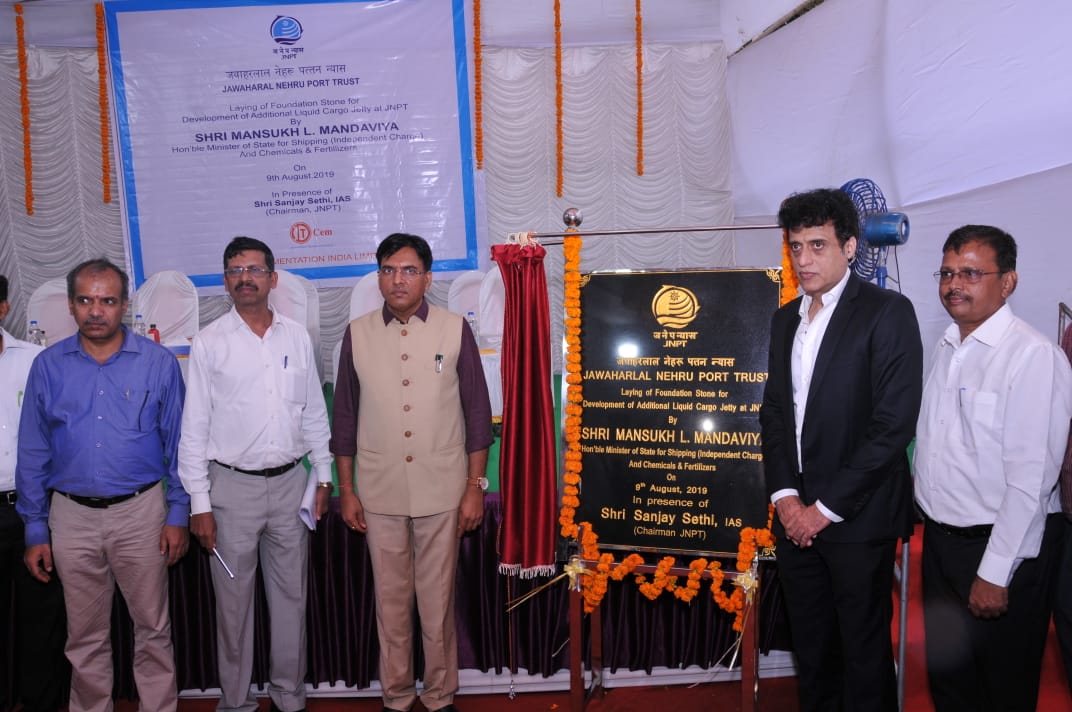
The foundation stone for the ₹309-crore facility was laid by then Minister of State for Shipping (Independent Charge) Shri Mansukh Mandaviya, underscoring the government's continued focus on modernizing port infrastructure to support economic growth and rising domestic demand for critical commodities.
The new jetty is being developed to accommodate ships carrying liquid cargo, including petroleum products, liquefied petroleum gas (LPG), edible oils, molasses, and industrial chemicals. Industry experts believe the project will play an important role in improving logistics efficiency and supporting sectors that depend on bulk liquid transportation.
According to port officials, JNPT's existing liquid cargo handling capacity stands at approximately 6.5 million tonnes per annum (MTPA). The new facility is expected to add another 4.5 MTPA, increasing the port's ability to meet growing national requirements and reducing potential capacity constraints in the future.
The expansion comes at a time when India's consumption of LPG and other liquid commodities continues to rise, driven by industrial growth, urbanization, and wider access to clean cooking fuel. Analysts note that investments in maritime logistics infrastructure are critical for ensuring uninterrupted supply chains and supporting the country's long-term energy security objectives.
JNPT, India's largest container port, occupies a strategic position in the country's maritime trade ecosystem. Beyond handling containerized cargo, the port is increasingly expanding its capabilities across multiple cargo segments to meet changing trade and industrial demands.
Maritime economists point out that port infrastructure investments generate benefits that extend beyond cargo handling. Enhanced capacity can reduce vessel waiting times, improve operational efficiency, attract greater cargo volumes, and strengthen India's competitiveness in global trade networks.
The project also aligns with the government's broader vision of port-led development, which seeks to integrate maritime infrastructure with industrial corridors, logistics networks, and manufacturing hubs. Improved port capacity is considered essential for reducing logistics costs and supporting economic expansion.
During his visit to JNPT, the minister also held consultations with terminal operators, service providers, and port users to review ongoing developments and discuss the port's long-term roadmap. Stakeholders emphasized the importance of continued modernization, technology adoption, and capacity expansion to position JNPT among the world's leading ports.
As India seeks to become a major global manufacturing and trading hub, investments such as the JNPT liquid cargo jetty highlight the growing role of maritime infrastructure in supporting energy security, industrial development, and sustainable economic growth. The project is expected to contribute significantly to the country's logistics ecosystem while reinforcing JNPT's status as a critical gateway for India's trade and commerce.