

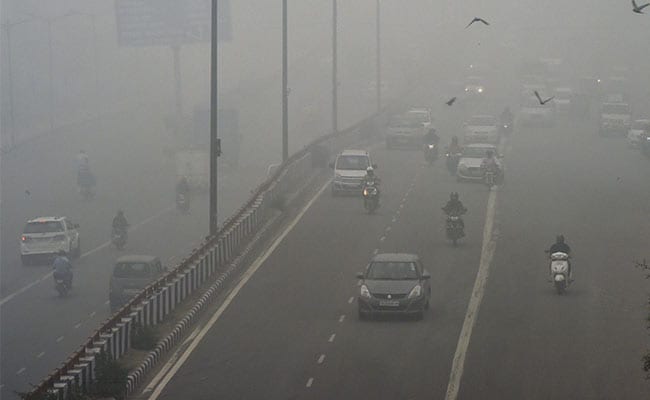
Air quality across several parts of the national capital deteriorated sharply, slipping into the ‘Hazardous’ category, with AQI levels crossing 500 in some localities, according to the latest monitoring data.
Samaypur recorded the worst air quality, with an AQI of 545, driven by extremely high PM2.5 levels at 348 µg/m³ and PM10 at 480 µg/m³—far above safe limits. Gulmohar Park followed closely with an AQI of 519, while Ekta Vihar logged 465, all firmly in the hazardous zone.
Other densely populated areas such as Shivaji Nagar (447), New Mahavir Nagar (443), Bhagat Enclave (439), Gharoli (437) and West Sant Nagar, Burari (433) also reported dangerously polluted air.
Key pollution indicators
PM2.5 levels across locations ranged between 292–348 µg/m³, nearly 10–14 times the WHO’s safe limit.
PM10 levels hovered between 400–480 µg/m³, pointing to heavy particulate concentration in the air.
Temperatures stayed between 13–14.8°C, while high humidity (up to 82%) likely worsened pollutant trapping near the surface.
Health and economic implications
Experts warn that prolonged exposure to such conditions can trigger respiratory distress, cardiovascular issues, eye irritation, and reduced productivity, particularly impacting children, the elderly, and outdoor workers. Businesses reliant on logistics, construction, and outdoor labour may also face disruptions if restrictions are tightened.
Authorities have urged residents to limit outdoor activity, use N95 masks, and follow advisories as enforcement agencies remain on alert for potential emergency pollution-control measures.

