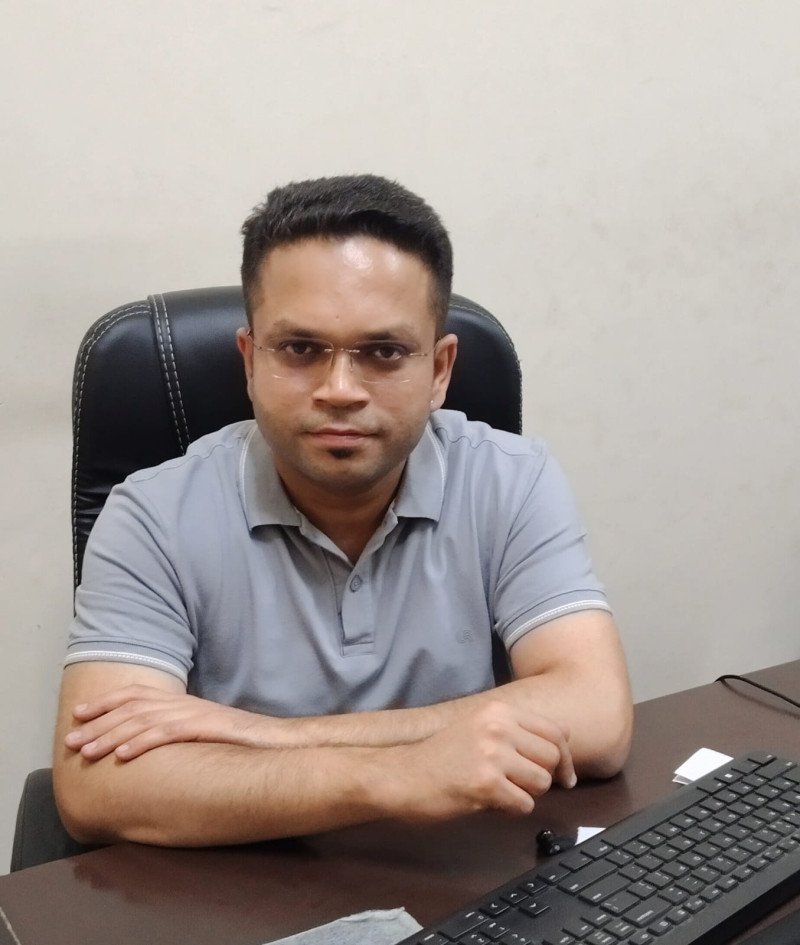
In conversation with Editor Ankur Sharma, The News Strike, Keshav Gupta, Founder of SOJANYA, said India's men's ethnic wear market is evolving beyond weddings and festivals as younger consumers increasingly seek apparel that blends tradition with comfort, versatility, and contemporary design. Backed by the textile legacy of the Daulat Ram Om Prakash Group, established in 1958, Gupta highlighted how SOJANYA has transformed from a traditional textile business into one of India's leading digital-first men's ethnic wear brands by leveraging e-commerce, affordable fashion, and data-driven retail to meet changing consumer preferences.
Men's ethnic wear is gaining popularity among Gen Z and millennials. What consumer and cultural shifts are driving this renewed interest in traditional Indian fashion?
Younger consumers are approaching ethnic wear very differently from previous generations.
Gen Z and millennials are far more expressive when it comes to fashion. They're comfortable experimenting with different styles and don't see traditional and contemporary fashion as two separate worlds. Instead, they enjoy blending the two.
Social media has definitely accelerated this shift. Whether it's creators, celebrities or wedding content online, younger audiences are constantly discovering new ways to style ethnic wear. That exposure has made traditional clothing feel more relevant and aspirational.
At the same time, today's consumer values comfort just as much as appearance. That's why we're seeing growing demand for lighter fabrics, modern fits, contemporary colour palettes and versatile designs that work across multiple occasions rather than just weddings.
Interestingly, ethnic wear has become less about obligation and more about personal style.
How did SOJANYA transform a textile legacy dating back to 1958 into a digital-first fashion brand, and what were the biggest challenges in making that transition?
Our journey has really been about respecting our heritage while embracing change.
The foundation was laid through our family's textile business, Daulat Ram Om Prakash, which was established in 1958. Those decades gave us strong relationships, deep product knowledge and an understanding of Indian textiles that continues to shape Sojanya today.
But consumer behaviour was changing rapidly. People were moving online, expectations were evolving, and we realised that simply operating as a traditional wholesale business wouldn't be enough in the long run.
Launching Sojanya as a dedicated consumer brand allowed us to build a direct relationship with customers across India. We invested in design, manufacturing, technology and data analytics while expanding across leading online marketplaces.
The biggest challenge wasn't adopting technology, it was changing the way we thought as a business. Traditional retail often relies on experience and intuition. Digital commerce demands speed, systems, data and constant adaptation.
Finding the right balance between those two worlds has been one of our biggest learning experiences.
With consumers increasingly seeking fashionable products at accessible price points, how is the rise of affordable fashion reshaping India's ethnic wear market?
Affordable fashion has made the ethnic wear market much more dynamic.
When we entered this space, there was a noticeable gap between premium designer labels and products that were affordable but lacked contemporary styling. We believed customers shouldn't have to choose between good design and reasonable pricing.
Today, value has become far more important than simply being inexpensive.
Consumers compare quality, fabrics, fit, styling and durability before making a purchase. They're willing to spend more if they believe the product offers genuine value, but they also expect brands to justify that price.
That's pushed the industry to innovate much faster. Brands now have to deliver better designs, improved quality and more consistent customer experiences while remaining accessible.
It's certainly more competitive than before, but that's also making the overall category stronger.
How are e-commerce platforms and digital commerce changing the way consumers discover, purchase, and engage with men's ethnic wear brands?
E-commerce has fundamentally changed the business.
For us, it wasn't simply another sales channel. It became the platform that allowed us to scale nationally while building direct relationships with customers.
Consumers now discover brands through marketplaces, social media, content creators and digital campaigns long before they make a purchase. That means brands have to work much harder to build trust.
Everything matters, from the photography, product descriptions, customer reviews, delivery experience to after-sales support. Since customers can't physically touch the product before buying, consistency becomes incredibly important.
Digital commerce has also given brands access to real-time consumer insights. We closely monitor sales trends, customer feedback, search behaviour and seasonal demand, and those insights influence everything from inventory planning to new product development.
In many ways, customers are shaping collections almost as much as designers are.
As Indian fashion becomes increasingly influenced by global trends and social media, how do you see the future of men's ethnic wear evolving over the next five years?
The future will be about balance rather than choosing between tradition and modernity.
Global fashion trends and social media are influencing consumer preferences much faster than ever before. People are more aware of international styling, but they're also becoming more confident in celebrating Indian fashion in their own way.
We expect greater demand for personalised products, premium fabrics, contemporary silhouettes and versatile collections that work across different occasions. Technology will also play a much bigger role, whether through AI-driven recommendations, virtual shopping experiences or greater levels of customisation.
At the same time, authenticity will remain extremely important. Consumers still value craftsmanship, cultural identity and products that feel genuine.
For Sojanya, the long-term vision remains clear. We want to continue strengthening our product portfolio, expand our omnichannel presence and serve Indian consumers not just across the country but globally.
Fashion trends will continue to evolve, and they should. But the brands that stay relevant will be the ones that combine innovation with authenticity while continuing to earn customer trust.