Jaipur, February 4, 2026:
The Chief Minister’s Youth Self-Employment Scheme has seen rob early traction, with 5,089 applications received within just 10 days of opening, indicating strong demand for startup financing among Rajasthan’s youth.
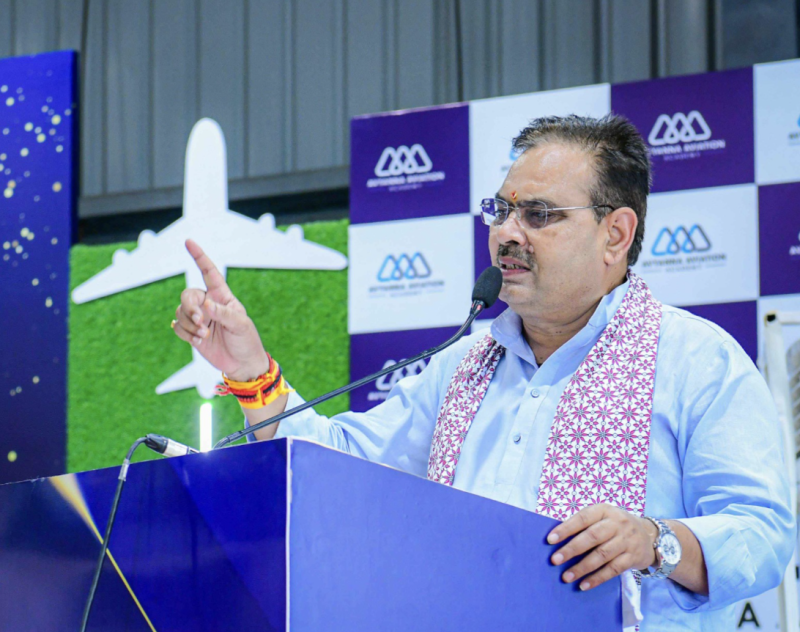
Launched by Chief Minister Bhajanlal Sharma on January 12 and operationalised through official guidelines issued on January 15, the scheme aims to support 1 lakh young entrepreneurs in setting up micro-enterprises across manufacturing, services, and trading sectors.
Key Financial Outcomes of the Scheme
Interest-free loans up to ₹10 lakh for eligible youth entrepreneurs
100% interest reimbursement by the state government
Margin money support up to ₹50,000
Reimbursement of CGTMSE credit guarantee fees, reducing collateral pressure
According to Industries & Commerce Commissioner Suresh Kumar Ola, applications opened on January 22, and district general managers are currently scrutinising proposals. Approved cases will be forwarded to banks shortly for loan sanction and disbursal, ensuring faster conversion from application to enterprise creation.
District-wise Application Momentum (Top Contributors)
Jaipur: 385 applications
Churu: 270
Bikaner: 220
Tonk: 212
Hanumangarh: 209
In addition, 19 districts recorded over 100 applications each, highlighting statewide participation. These include Bundi (195), Sikar (187), Sri Ganganagar (179), Jodhpur (175), Dausa (170), Didwana Kuchaman (158), Baran (155), Jhunjhunu (150), Nagaur (148), Bhilwara (144), Ajmer (143), Jhalawar (141), Bharatpur (135), Barmer (131), Sawai Madhopur (131), Kota (118), Karauli (110), Pali (109), and Alwar (100).
Loan Eligibility and Benefit Structure
Applicants with Class 8–12 education:
Services/Trade: up to ₹3.5 lakh
Manufacturing: up to ₹7.5 lakh
Margin money support up to ₹35,000
Graduates, ITI, and higher-qualified applicants:
Services/Trade: up to ₹5 lakh
Manufacturing: up to ₹10 lakh
Margin money support up to ₹50,000
Application Process
Applications are being accepted online via SSO ID and e-Mitra platforms. Required documents include Aadhaar, domicile certificate, photograph, educational/technical qualification certificates, and—where applicable—proof of minimum 51% ownership in institutional enterprises.