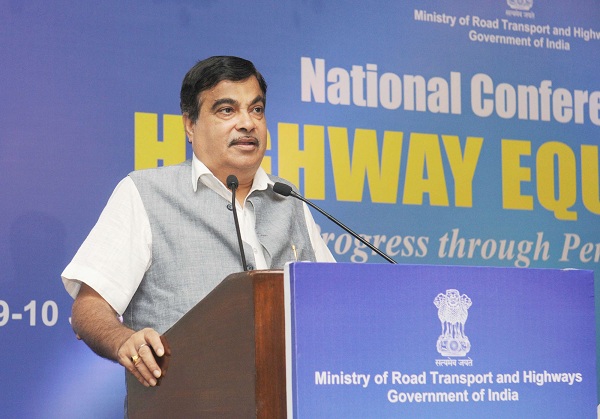
The Government of India has accelerated efforts to strengthen national highway infrastructure and road safety systems. As part of this push, around 60 major national highway projects are nearing completion and are targeted to be finished within the next 100 days.
To ensure timely execution, the Ministry of Road Transport & Highways has implemented multiple measures including faster land acquisition, streamlined environmental clearances, improved coordination with other ministries and state governments, restructuring of dispute resolution mechanisms, and regular monitoring with contractors and developers.
In addition, under the national trauma care programme, India is developing a pan-India trauma care network along highways. The scheme provides for setting up trauma centres approximately every 100 km and has already supported around 200 identified trauma care facilities under previous Five-Year Plans. Capacity building measures, including Advanced Trauma Life Support (ATLS) training for doctors and Basic Life Support (BLS) for nurses, are also being implemented to improve emergency response.
Government data cited in Parliament shows that road accidents on highways remained broadly stable between 2015 and 2017, with over 1.41 lakh accidents reported annually. Authorities have identified multiple causes, including speeding, drunk driving, mobile phone usage, poor road conditions, and pedestrian errors.
This information was provided in a written reply in the Rajya Sabha by the Union Minister for Road Transport and Highways, Nitin Gadkari.