

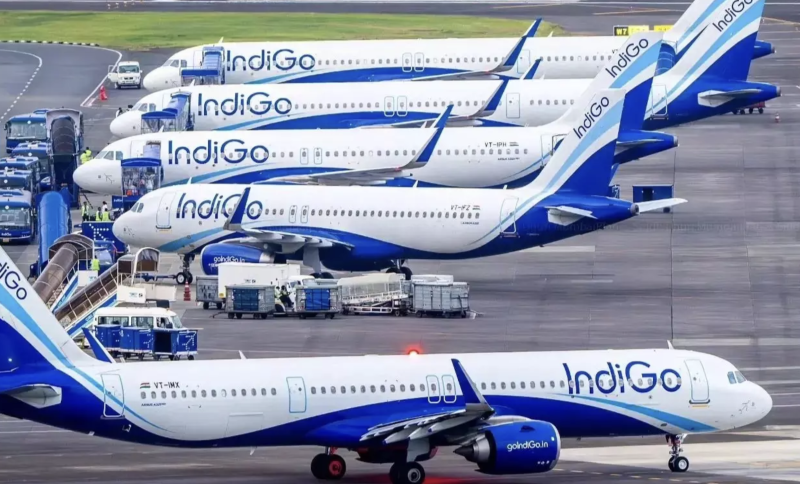
A four-member committee, constituted by the Ministry of Civil Aviation (MoCA), probed the incident and highlighted several critical shortcomings in IndiGo's operations. Key issues included over-optimization of flight schedules, deficiencies in regulatory preparedness, weak software systems for scheduling and monitoring, and inadequate oversight at the management level. The report dismissed external factors like weather as the sole reason, emphasizing that the airline's internal planning failures were the root cause.
In addition to the financial penalty, the DGCA has initiated strict enforcement actions against IndiGo's senior management to ensure accountability. This follows earlier measures, such as a 10% curtailment of the airline's operations and the redistribution of slots to competitors, which temporarily reduced IndiGo's daily flights from over 2,200 to around 1,800-1,900.
IndiGo has responded by offering compensations, including Rs 10,000 travel vouchers to severely impacted passengers and processing refunds worth hundreds of crores. CEO Pieter Elbers issued a public apology, assuring full network restoration and commitments to improve systems.
This incident underscores ongoing challenges in India's aviation sector, where rapid growth has sometimes outpaced operational resilience. Industry experts believe the fine will serve as a deterrent, pushing airlines to prioritize passenger welfare and compliance. As IndiGo works to rebuild trust, the DGCA's actions signal a zero-tolerance approach to such disruptions in the future.

